Bombay High Court Takes Action in Arpora Nightclub Tragedy
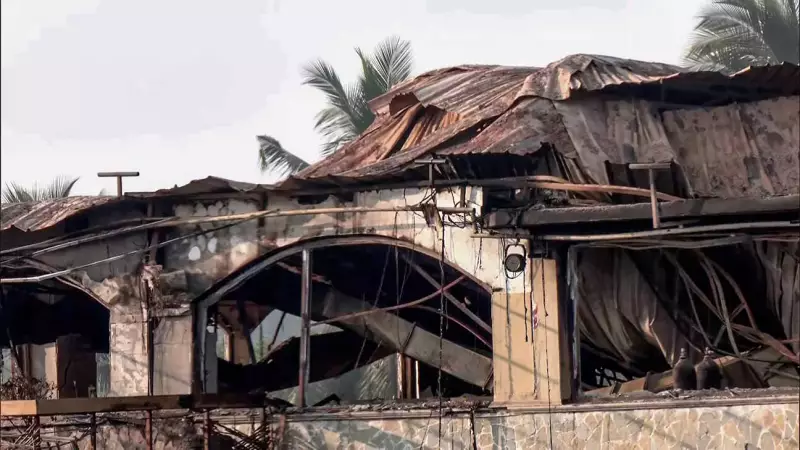
The Bombay High Court issued notices to 52 parties on Tuesday. This action came in a suo motu petition related to the Arpora nightclub tragedy. The incident claimed 25 lives in December 2025.
Broadening the Scope of the Petition
A division bench of the court broadened the scope of the petition. This happened after it came to light that Birch by Romeo Lane operated in an illegal structure. The nightclub did not have a trade licence or other mandatory NOCs.
The High Court is now examining whether similar illegal commercial establishments exist in other coastal areas of the state. This move aims to prevent future tragedies.

List of Parties Receiving Notices
When the petition came up for hearing, advocate general Devidas Pangam submitted a list to the court. He proposed adding various government authorities and others as parties. The court accepted this proposal.
Notices went out to the property owners Gaurav and Saurabh Luthra and Surinder Kumar Khosla. Both district collectors also received notices. Heads of several departments were included too.
- Fire department
- Tourism department
- Excise department
- Panchayats department
- Municipal administration department
The High Court issued these notices returnable on February 3. It also issued a notice to Roshan Redkar, the disqualified sarpanch of Arpora-Nagoa. Pangam told the court that Redkar needed to be added in a personal capacity. He stated the panchayat was the root cause of the issue.
Separation of Proceedings
Justices Suman Shyam and Amit S Jamsandekar directed the separation of proceedings in a writ petition. This petition was filed by Pradeep Ghadi Amonkar. The court observed that his petition did not stand on equal footing with the suo motu case and PILs. These are of public importance.
Advocate General's Statements
After the hearing, Pangam spoke to reporters. He explained that the 52 authorities were added as respondents. This step ensures effective orders are passed. It also helps take action against illegal commercial activities in the coastal belt.
"The court is going to supervise all this," Pangam said. "The persons responsible for this tragedy were joined as parties because the court wants to find out whether compensation can be awarded to the victims by these persons who were responsible for the deaths. This is one of the things we will tell the court. The court took the matter very seriously and, in my view, the matter proceeded in the right direction."
Reporters asked Pangam about Birch by Romeo Lane operating for over a year after a demolition notice. They also inquired about other commercial establishments running without trade licences.
Pangam responded that trade licences are issued by panchayats. If parties begin commercial activities without panchayat permission, the panchayat should step in.
"That is why the court joined all these panchayats as parties," he said. "To possibly seek reports from them on how many structures are in their jurisdiction without a construction licence and operating without a trade licence, where a trade licence is issued despite there being no construction licence, and where commercial operations continue despite demolition orders. All these reports will be called for by the court, and panchayat sarpanchs and secretaries will be taken to task on this front. We hope that something good will come out of this."
Commercial Operations Must Stop During Stay Orders
When asked if commercial operations can continue during pending appellate proceedings, Pangam clarified the legal stance.
"There is no written law on this subject, but there are High Court judgments saying that whenever a construction is ordered to be demolished, and when there is no construction licence or technical clearance, the authority granting the stay has to ensure status quo is maintained in the sense that commercial activities should not be allowed," he explained.
He added that every authority hearing a matter with a demolition order must ensure commercial activities stop immediately. This applies if there is no construction licence and no technical clearance.

Pangam noted a distinction should be made for residential structures. These involve issues of shelter and require different considerations.