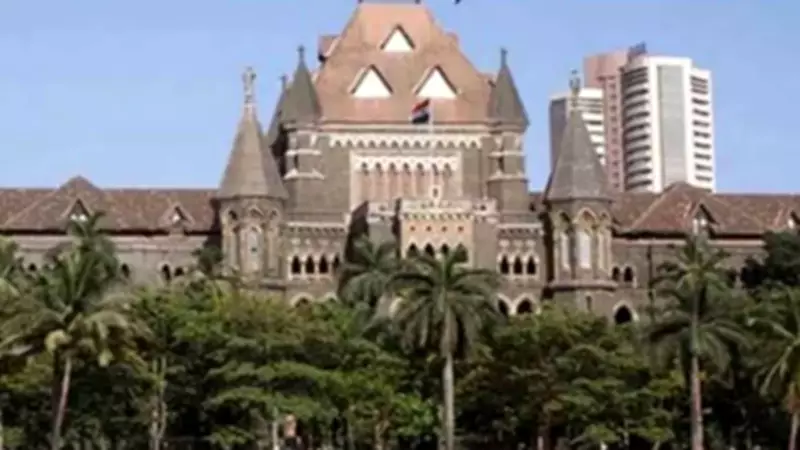
Bombay High Court Reduces Pocso Life Sentence to 12 Years Based on Rehabilitation Efforts
The Bombay High Court has made a significant ruling by reducing a Pocso convict's life imprisonment term to 12 years, citing his engagement in educational and reformative activities during incarceration. The court emphasized that this adjusted sentence would "meet the ends of justice" in a case involving the sexual assault of a minor.
Case Background and Conviction Details
The case originated from a December 2016 incident where a 20-year-old man was accused of sexually assaulting a 4-year-old girl, who was his neighbor's daughter. In December 2020, a special court designated under the Protection of Children from Sexual Offences (Pocso) Act convicted him under Section 6 for aggravated penetrative sexual assault and sentenced him to life imprisonment. The court found the survivor's evidence reliable and unchallenged by the defense.
The convict appealed this verdict to the Bombay High Court, seeking a reduction in his sentence. A bench comprising Justices Sarang V Kotwal and Sandesh D Patil reviewed the evidence and submissions, affirming the trial court's finding that he had committed offences under Section 376 of the Indian Penal Code (rape) and Section 6 of the Pocso Act.

Factors Influencing the Sentence Reduction
In its decision, the high court considered several mitigating factors that led to the reduction of the sentence from life imprisonment to 12 years. Key among these were:
- Age and Criminal History: The court noted that the accused was only 20 years old at the time of the offence, with no prior criminal record. He had been in continuous custody since his arrest in December 2016, totaling over nine years, and was not released on bail even during the Covid-19 pandemic.
- Rehabilitation Efforts: Advocate O P Lalwani, representing the appellant, presented certificates showing the convict's participation in reformative programs during his jail term. These included a certificate from Tilak Maharashtra Vidyapeeth, Pune, for participating in a book analysis program; another from Ramchandra Pratishthan, Mumbai, for an essay competition; and a third from Mumbai Sarvodaya Mandal for studying Mahatma Gandhi's thoughts and passing an examination.
The bench observed, "All these factors considered cumulatively would make us show some leniency towards him for the sentencing part. We are therefore inclined to reduce the sentence of the accused."
Court's Rationale and Final Ruling
Despite the reduction, the high court underscored the gravity of the offence, imposing a sentence exceeding the minimum 10-year term prescribed for such crimes under the Pocso Act. The court stated, "In our opinion, the sentence of twelve years would meet the ends of justice."
Additionally, the court upheld the special court's directive for the appellant to pay Rs 25,000 in compensation under Section 33(8) of the Pocso Act. It also noted that the period of detention already served during the trial would be set off against the new sentence.
This ruling highlights the judiciary's consideration of rehabilitation and personal reform in sentencing decisions, particularly in cases involving young offenders with no criminal antecedents. It also reflects the influence of Gandhian principles in correctional policies within Indian jails, as referenced in related discussions on Mahatma Gandhi's impact on prison reforms.