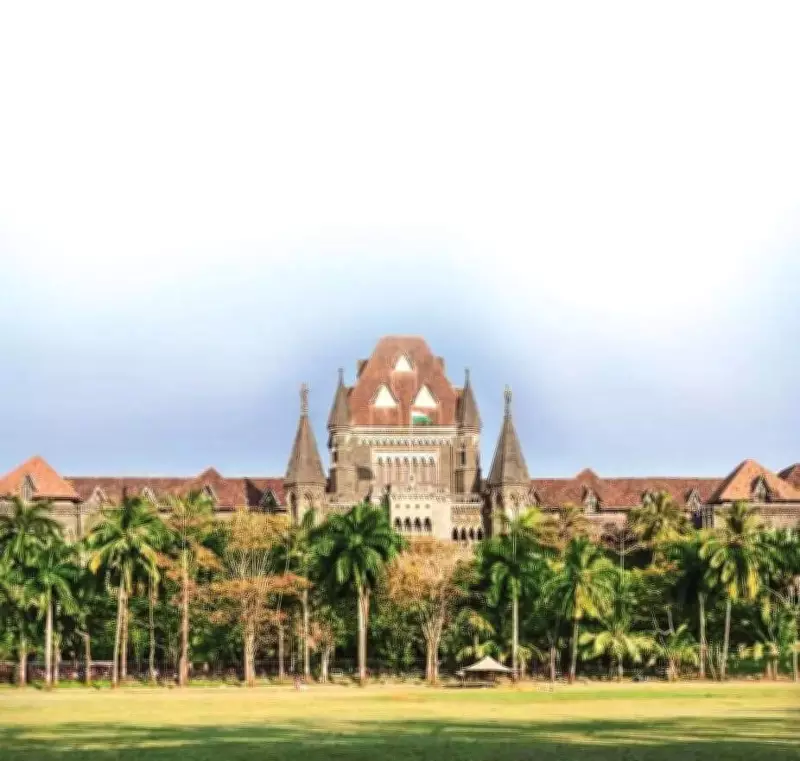
Mumbai: Civil rights activist groups on Tuesday moved the Bombay High Court, challenging the constitutional validity of the Maharashtra Special Public Safety Act (MSPSA), enacted last year to control the menace of naxalism.
Petition by Civil Liberties Groups
The petition, filed by the People's Union for Civil Liberties and the Forum Against Oppression of Women, claims the law is unconstitutional. It lacks essential procedural safeguards required under constitutional jurisprudence for any statute that infringes upon freedoms of speech, expression, assembly, and association guaranteed under the Constitution of India. The petition argues the Act violates Articles 14 (equality) and 21 (right to life) and undermines the principles of liberty and equality, integral parts of the preamble and basic structure of the Constitution. It also encroaches on a field reserved for Parliament and effectively seeks to shield executive action from scrutiny.
Demand to Strike Down or Read Down the Act
The petition seeks either striking down MSPSA in its entirety or substantial portions, or alternatively, reading down the Act to make it conform to constitutional standards.

Definition of 'Unlawful Activity' Criticized
The definition of 'unlawful activity' and 'unlawful organisation' under the Act is overbroad and vague, the petition said. It can be invoked against trade unions, protesters, political dissenters, human rights activists, and even the opposition. MSPSA was formulated to provide for effective prevention of certain unlawful activities of left-wing extremist organisations or similar organisations, on the premise that public order is being jeopardized. However, the terms 'naxalism' or 'left wing extremist' are not defined or used elsewhere other than the statement of objects and preamble, pointing to a dichotomy between reasons and provisions.
Intelligible Differentia Lacking
The petition, to be heard in due course, further stated that illegal activities can be committed by any organisation, not just those with left-wing ideology, as extremism is not confined to any one ideology. Hence, categorisation of left-wing extremist organisations does not satisfy the test of intelligible differentia. The groups added that existing criminal laws already address naxalism.
Sweeping Powers and Lack of Safeguards
Significantly, the Act lacks legal standards and gives sweeping powers to the government to declare any organisation unlawful for more than a year, based on mere opinion. This risks politically motivated actions, given the absence of procedural safeguards to ensure restrictions on fundamental rights are proportionate and time-bound.
Other Provisions Challenged
The petition also challenged the validity of other provisions, including the lack of effective mechanisms to challenge government action to seize properties.

About Maharashtra Special Public Safety Act
- Introduced as a Bill in July 2024, it attracted widespread public outrage, leading the state to set up a joint committee of the legislature to receive objections and suggestions. The People's Union for Civil Liberties submitted objections on March 31, 2025, citing constitutional infirmities and misuse risks.
- On July 10, 2025, the Maharashtra Legislative Assembly passed the Act, followed by the Maharashtra Legislative Council on July 11, 2025.
- On December 10, 2025, the President gave assent, and it was notified on December 15, 2025.
Key Provisions of the Act
- Unlawful activity means any action, speech, writing, or sign that endangers public peace, threatens the administration of law, or preaches disobedience to established institutions.
- Being a member of an unlawful organisation attracts up to 2 years' imprisonment and a fine of Rs 2 lakh.
- Raising funds for or harbouring members of an unlawful organisation attracts a maximum of 3 years in jail.
- Managing or assisting in the operations of a banned organisation attracts 3 years in jail.