A Decade of Silence in Bisada
Ten years after the brutal lynching of Mohammed Akhlaq over alleged cow slaughter, the village of Bisada in Uttar Pradesh's Gautam Buddh Nagar district maintains an uneasy silence. The Uttar Pradesh government's recent proposal to withdraw charges against all 18 accused in the case has brought renewed attention to a tragedy that the village seems to have consciously forgotten.
Voices drop to whispers and crowds disperse at the mere mention of Akhlaq's name in the narrow lanes of Bisada. The atmosphere grows tense when visitors inquire about the case or attempt to locate the houses of those accused in the 2015 incident.
The Deserted Home and Moving Lives
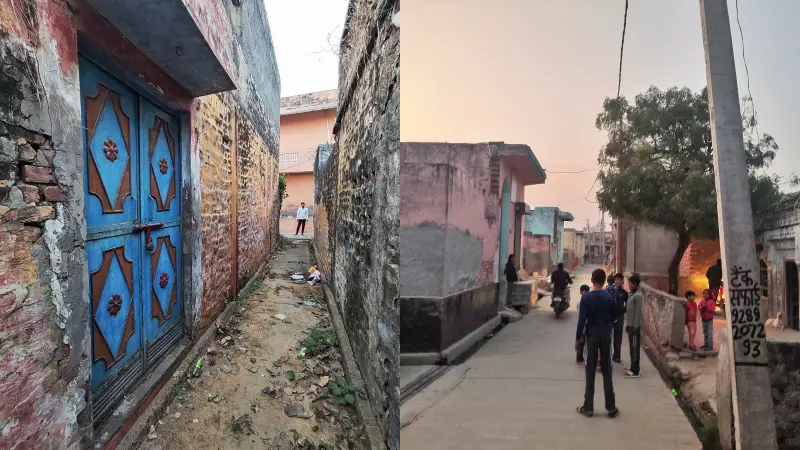
Approximately 500 meters from the village entrance stands Akhlaq's abandoned house, a haunting reminder of the past. A corroded lock hangs on the cobalt blue iron gate, with paint peeling off the brick walls. The family fled Bisada just one week after the incident and now lives in undisclosed locations due to security concerns.

According to family lawyer Yusuf Saifi, while one of Akhlaq's sons serves in government service, his daughter—who was a witness—is now married. Danish, who suffered severe injuries during the attack and underwent extensive hospitalization, has also married and moved on with his life.
The case has taken significant blows with the passing of key witnesses. Akhlaq's mother has died, while his wife—on whose complaint the FIR was registered—is now elderly and ailing. This development comes at a crucial time when the evidence stage has just begun in court.
The Accused: New Lives and Denials
Among the 19 originally chargesheeted individuals, one—Ravi Sisodiya—died in judicial custody in October 2016 due to kidney and respiratory failure. The remaining accused, out on bail since March 2017, have rebuilt their lives.
Vishal Rana, son of a local BJP leader, and his cousin Shivam were identified as the main conspirators and faced charges including murder, attempt to murder, rioting, and assault. The Ranas live in a house undergoing renovation, not far from where Akhlaq's family once resided.
Other accused have similarly moved forward. Vikas, who was studying B Pharma when the incident occurred, now runs a canteen in Greater Noida. Gaurav Sisodiya, accused along with his younger brother Saurav and father Om Veer, is married with two children. When approached for comments, his mother quickly pulled him inside their home.
Dr. Arun Sisodiya continues his veterinary practice in Bisada, while brothers Vivek and Sachin work as electricians taking repair jobs in Dadri and surrounding areas. Puneet Pandit, who wasn't originally named in the FIR but was arrested later, has become a farmer.
Om Veer, father of Gaurav and Saurav, maintains that his sons were "framed" in the case. This sentiment echoes among some villagers who see the government's recommendation to drop charges as "justice for the accused."
Legal Standoff and Uncertain Future
Yusuf Saifi, speaking on behalf of the Akhlaq family who prefer to avoid media interaction, expressed surprise at the government's proposal. "The statement of the daughter was being recorded before the court... Danish is yet to record his statement," Saifi revealed, emphasizing that the evidence submission stage had just commenced.
The timing of the withdrawal proposal raises questions about judicial process and victim justice. With key witnesses either deceased or ailing, and the accused having established new lives over the eight years they've been out on bail, the case represents a complex intersection of legal, social, and political dimensions.
As Bisada maintains its silence and the legal battle continues, the memory of September 28, 2015—when a mob gathered after a temple announcement about alleged cow slaughter—remains etched in the nation's consciousness, even as the village itself seems determined to move on.