Bangladesh Media Demands Safety After Newspaper Attacks in Dhaka
Journalists, editors, and media owners in Bangladesh held a strong conference in Dhaka on Saturday. They urgently called on authorities to guarantee their safety. This demand follows recent violent attacks on two major newspaper offices in the capital city.
Violent Assaults on Newspaper Offices
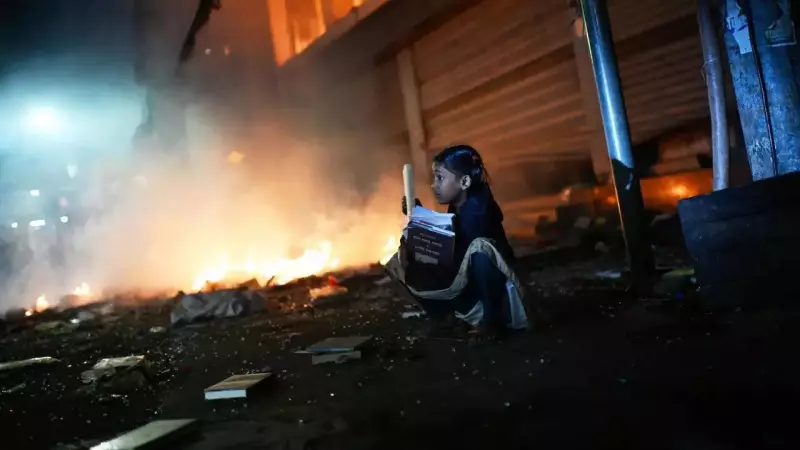
In December, mobs targeted the offices of the Daily Star and Prothom Alo. The attackers stormed the buildings, set fires, and trapped staff members on rooftops. Newspaper authorities sharply criticized the interim government led by Nobel laureate Muhammad Yunus. They said the government failed to respond quickly to disperse the violent crowds.
A leader of the Editors Council faced physical manhandling during the incident. Both newspaper offices suffered looting. The attacks occurred shortly after the death of a prominent Islamist activist. For months before the assaults, Islamist groups had protested outside the dailies. They accused the newspapers of having links with India.

Joint Conference and Calls for Protection
The Editors Council and the Newspapers Owners Association of Bangladesh organized a joint conference in Dhaka. Editors, union leaders, and journalists from across the country gathered. They demanded protection for media personnel. This call comes ahead of the national elections scheduled for February.
Nurul Kabir, President of the Editors Council and editor of the New Age daily, spoke forcefully. He said the assaults reflect a growing trend to suppress institutions that represent democratic aspirations. "Those who want to suppress institutions that act as vehicles of democratic aspirations are doing so through laws, force and intimidation," he stated. Kabir emphasized the need for unity among journalists to resist such pressures.
International Concern and Local Impact
Irene Khan, a United Nations expert, described the attacks as "deeply alarming." She called for prompt and effective investigations. Khan warned that targeting journalists and cultural centres could undermine media freedom. It could also silence minority voices and dissenting perspectives, especially during the election period.
The attacks have intensified serious concerns over press freedom in Bangladesh. Journalists have faced multiple threats in recent months:
- Death threats
- Online surveillance
- Harassment
Staffers recounted terrifying experiences from the December arson. They were forced onto rooftops as emergency responders faced delays. Many journalists have since restricted their social media presence due to threats and constant monitoring.
Political Context and Government Criticism
The interim government under Yunus took power after former Prime Minister Sheikh Hasina fled amid a mass uprising in August 2024. Human rights groups have criticized this government for failing to uphold civil liberties. They also point to a rise of radical elements.
Several journalists with links to Hasina have been arrested. Others face charges related to the 2024 unrest. The situation creates a challenging environment for independent reporting as the country approaches crucial elections.
The media community in Bangladesh remains vigilant. They continue to advocate for their right to work safely and freely, underscoring the vital role of a free press in a functioning democracy.