Bangladesh Tribunal Delivers Landmark Verdict in 2024 Protest Killings Case
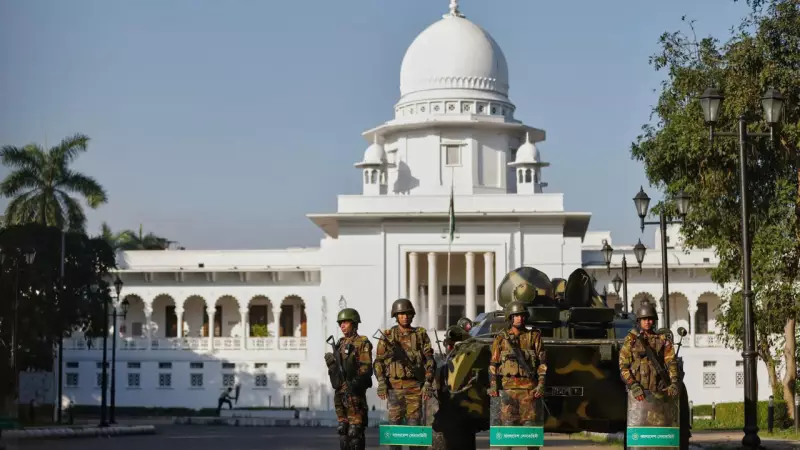
A Bangladesh court on Monday delivered a historic verdict, sentencing Dhaka's fugitive former police chief and two senior officers to death for crimes against humanity. The charges stem from the killing of six protesters during the July 2024 mass uprising that ultimately led to the overthrow of then-prime minister Sheikh Hasina.
Death Penalty for Senior Police Officials
The International Crimes Tribunal-1 (ICT-1) handed down the capital punishment to former Dhaka Metropolitan Police (DMP) commissioner Habibur Rahman, former joint commissioner Sudip Kumar Chakrabort, and former additional deputy commissioner (Ramna zone) Shah Alam Mohammad Akhtarul Islam. All three were tried in absentia, with their current whereabouts remaining unknown according to reports from Dhaka Tribune.
This significant verdict arrives just ahead of Bangladesh's February 12 elections, marking the first polls since Hasina was ousted in August 2024 following weeks of widespread protests that shook the nation's political landscape.

Additional Sentences for Other Former Officers
Five other former police officials received varying prison terms in the same case. Former assistant commissioner of Ramna zone Mohammad Imrul was sentenced to six years imprisonment, while former Shahbagh Police Station inspector (operations) Md Arshad Hossain received four years. Three constables—Md Sujan Mia, Md Imaz Hossain Emon, and Md Nasirul Islam—were each sentenced to three years imprisonment.
Four of these individuals—Arshad, Sujan, Imaz, and Nasirul—are currently in custody, while others remain at large.
The Chankharpul Incident and Tribunal Proceedings
The case specifically relates to the killing of six protesters in Dhaka's Chankharpul area on August 5, 2024. This was the same day Sheikh Hasina fled to India as demonstrators stormed her official residence, marking a dramatic turning point in Bangladesh's political crisis.
A three-member bench of ICT-1 comprising Justice Mozumder, Justice Md Shafiul Alam Mahmud, and Judge Md Mohitul Hoque Anam Chowdhury delivered the verdict. Tribunal chairman Justice Md Golam Mortuza Mozumder, while reading the judgment, stated that evidence conclusively proved police opened fire with lethal weapons on protesters.
"The police forces... opened fire with lethal weapons... causing death to the aforesaid six persons," the judge declared in court.
The tribunal heard compelling testimony indicating that Habibur Rahman had sent messages to police units ordering them to use lethal force to suppress the protests, establishing a clear chain of command responsibility.
Prosecution and Victim Reactions
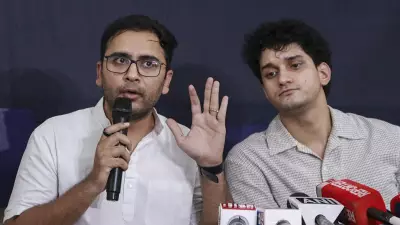
Chief Prosecutor Mohammad Tajul Islam expressed satisfaction with the death sentences but voiced disappointment over the prison terms given to the other five accused. According to the Dailystar, Islam told reporters, "The court said their crimes have been proved and they committed crimes against humanity," adding that he would appeal for harsher punishment for those receiving jail terms.
However, families of the victims expressed profound dissatisfaction with the judgment. Sanjida Khan, mother of slain protester Shahriar Khan Anas, broke down inside the courtroom, stating, "We can never be satisfied with this verdict. We did not get Insaaf (justice)."
Similarly, Shahid Ahmed, uncle of another victim Md Yakub, expressed concerns about the lighter sentences, saying, "We wanted death sentence for all. Instead, some of them got three to four years' imprisonment. After completing their terms, they will come out and might threaten us."
Context and Previous Tribunal Actions
This represents the second verdict delivered by the tribunal concerning crimes against humanity committed during the July 2024 uprising. In November last year, the same court sentenced Sheikh Hasina and former home minister Asaduzzaman Khan Kamal to death in absentia in a separate case. Former police chief Chowdhury Abdullah Al-Mamun, who confessed and turned state witness, received five years imprisonment in that earlier proceeding.

The Chankharpul investigation report was formally submitted on April 21, 2025, becoming the first case filed before the reconstituted tribunal. Formal charges were framed on July 14, leading to extensive proceedings where the tribunal examined 26 witnesses over 23 working days before reaching its conclusion.
The tribunal ultimately determined that the police firing was carried out on direct orders from senior officials, a finding that warranted the maximum punishment under Bangladesh's legal framework for crimes against humanity.