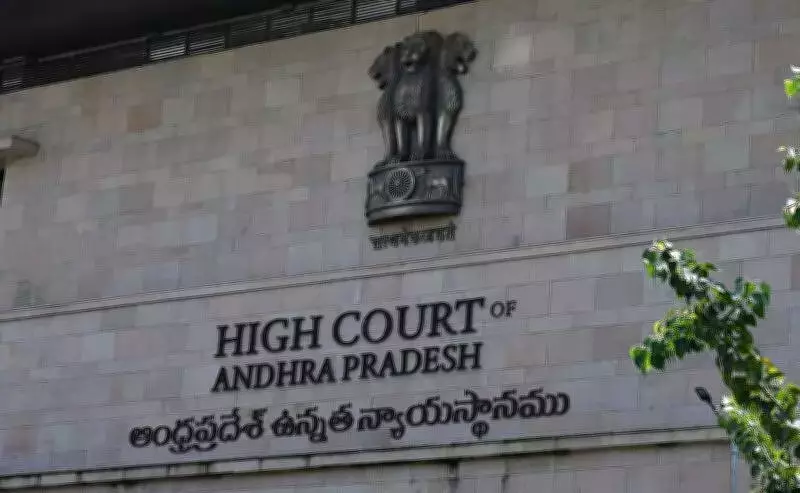
Andhra Pradesh High Court Delivers Landmark Ruling on Electricity Disconnections
The Andhra Pradesh High Court has issued a significant judgment emphasizing that the removal of an electricity connection without providing prior notice is legally untenable and constitutes a violation of the fundamental principles of natural justice. This ruling reinforces procedural safeguards for consumers, including those in disputed or unauthorized premises.
Case Background: Kakatiya Seva Trust's Petition
The case was brought before the court by Paruchuri Srinivasa Rao, representing the Kakatiya Seva Trust located in Singarakondapalem, Bapatla district. The petitioner contended that officials from the Andhra Pradesh Central Power Distribution Company Limited (APCPDCL) disconnected the trust's electricity supply without offering any valid justification or following due process.
Advocate Y Nagi Reddy, representing the petitioner, detailed the sequence of events to the court. The trust had applied for a commercial LT-II electricity connection on February 17, 2025, and the service was activated just three days later. However, in a surprising turn, the power supply was abruptly terminated within five days, and the meter along with associated equipment were physically removed on April 25, 2025—all executed without any formal notice to the trust.
Discom's Defense and Court's Scrutiny
In response, the counsel for APCPDCL presented their side of the argument. They stated that a letter had been received from an individual named Ramakrishna Paramahamsa, who claimed to be the chairman of the trust, objecting to the release of the electricity connection. Following a physical inspection, discom officials reported that the premises in question were vacant land, lacking any building or borewell infrastructure.
Furthermore, the discom argued that the petitioner had secured the connection for personal use without obtaining proper consent from other members of the trust, suggesting potential irregularities in the application process.
Justice Ninala Jayasurya's Observations and Ruling
After carefully considering arguments from both parties, Justice Ninala Jayasurya delivered a clear and firm judgment. The court observed that APCPDCL was obligated to issue a notice to the petitioner as per established procedural guidelines before taking any disconnection action.
Justice Jayasurya noted that merely acting on a letter from a third party, without verifying the authenticity of the sender's claim to be the trust chairman, rendered the removal of the power connection illegal due to the absence of a proper notice.
The judge further elaborated that even if the discom had legitimate concerns—such as believing the connection was obtained with insufficient or improper documentation—it remained legally bound to issue a notice before proceeding with disconnection or meter removal. This procedural step is essential to uphold natural justice, ensuring the affected party has an opportunity to respond.
Court's Directives and Future Implications
Allowing the writ petition, the High Court directed APCPDCL officials to restore the electricity supply to the trust premises within seven days. If necessary, a new meter should be installed to facilitate the restoration. Justice Jayasurya also clarified that the discom retains the right to initiate any lawful actions regarding the same service connection, provided they strictly adhere to due procedure, including issuing appropriate notices.
This judgment sets a crucial precedent, reinforcing that utility providers must follow transparent and fair procedures, protecting consumer rights against arbitrary actions. It underscores the legal necessity of notice issuance, even in cases involving alleged unauthorized occupancy or documentation disputes, thereby promoting accountability and justice in public service delivery.