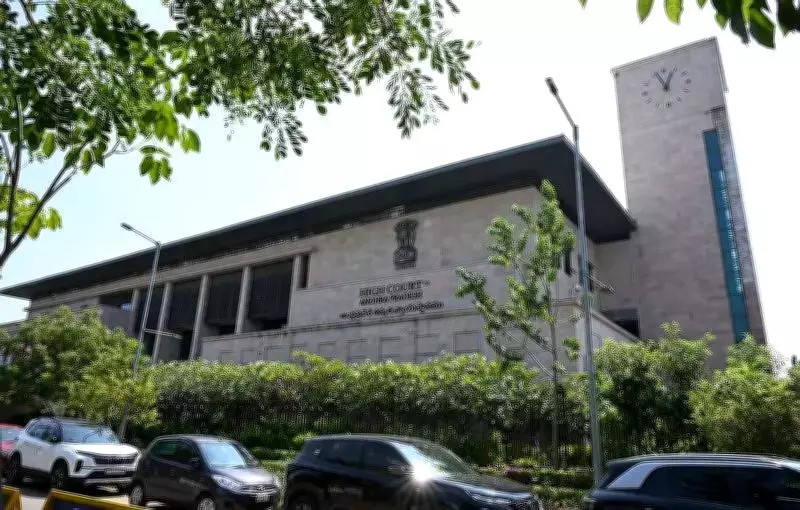
Andhra Pradesh High Court Intervenes in Professors' Retirement Age Dispute
The Andhra Pradesh High Court has issued a significant interim order, directing the state government to continue the services of professors working under the University Grants Commission (UGC) timescale in agriculture, horticulture, and veterinary universities, even after they attain the age of 62 years. This directive comes as a relief to several professors facing imminent retirement, with the court emphasizing the need for non-discriminatory policy implementation.
Background of the Legal Challenge
Multiple petitions were filed before the high court by professors employed at Sri Venkateswara Veterinary University, Dr YSR Horticulture University, AP Fisheries University, and Acharya NG Ranga Agriculture University. The petitioners argued that not extending the age of superannuation from 62 to 65 years—a benefit already granted to professors in universities under higher education—constituted discriminatory treatment and a violation of their fundamental rights.
Initially, a single judge bench disposed of the petitions, noting that increasing the retirement age is a policy decision of the state government. However, the court instructed the government to consider the professors' representations and make an appropriate decision. Dissatisfied with this outcome, the professors filed an appeal, leading to the current division bench hearing.
Court's Scrutiny of Government's Decision
A division bench comprising Justices Battu Devanand and Subhendu Samanta took a firm stance, summoning the principal secretary for agriculture, Budithi Rajasekhar, to appear before them. The bench demanded an explanation for why the benefit of increasing the superannuation age was not extended to these professors on par with their counterparts in higher education universities.
Rajasekhar informed the court that the decision was made by the competent authority, which had rejected proposals sent by the agriculture, horticulture, veterinary, and fisheries universities. The bench expressed clear displeasure at the state government's failure to provide any reasons for this rejection, highlighting that while such decisions are policy-based, they must not be discriminatory in nature.
Interim Relief and Future Implications
In response, the high court suspended the proceedings issued by the principal secretary that rejected the universities' proposals. The court directed the government to continue the professors in service until further orders, ensuring their employment security amid the ongoing legal review. This interim measure aims to prevent any premature retirements while the matter is under judicial consideration.
This ruling underscores the judiciary's role in scrutinizing administrative decisions for fairness and equality. It also raises important questions about uniform policy application across different educational sectors within the state. The case continues to be monitored closely, as its outcome could set a precedent for similar disputes in other regions or sectors.