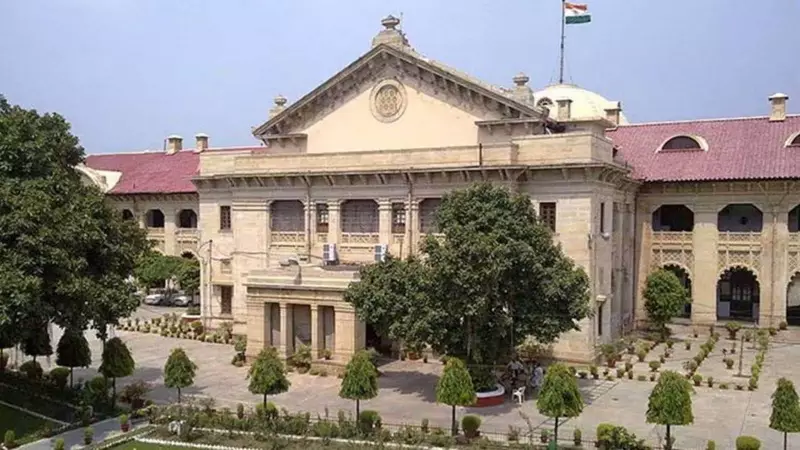
Allahabad High Court Takes Strong Stand Against False FIRs
The Allahabad High Court has issued a significant order to combat the misuse of the legal system through false First Information Reports (FIRs). The court has directed the Uttar Pradesh Police to initiate legal proceedings against complainants and witnesses who file false cases. This directive comes with a strict 60-day deadline for compliance.
Police Face Consequences for Non-Compliance
Justice Praveen Kumar Giri's bench made it clear that police officers would face serious consequences if they fail to follow these instructions. Investigating officers, Station House Officers, Circle Officers, and prosecuting officers could all face departmental proceedings and contempt of court charges. The court emphasized that these actions must be taken within 60 days from the date of the order.
The court specifically ordered that when police submit a final report or closure report exonerating an accused person, they must also file a written complaint against the informant and witnesses of the case. This applies to situations where police machinery has been misused through false, frivolous, or misleading information.

Judicial Magistrates Receive Clear Instructions
The High Court also provided detailed instructions to judicial magistrates and courts. When a closure report is submitted in favor of an accused person, the judicial magistrate must receive the entire case diary along with documents and the closure report. More importantly, the magistrate must direct the investigating officer to submit a written complaint against the informant and witnesses.
The court stated that judicial magistrates should not accept final reports unless they are accompanied by written complaints against those who provided false information. This requirement aims to prevent the misuse of legal processes and protect innocent people from harassment through false cases.
Background of the Case
The order came during the hearing of a petition filed by Umme Farva, who sought the quashing of summons issued by the Aligarh Chief Judicial Magistrate in a marital dispute case. Her ex-husband, Mahmood Ali Khan, had filed a case against her in 2023 during a custody battle over their daughter.
Although the investigating officer filed a closure report stating no material evidence was found against Farva, Khan moved the court against this closure report. The Aligarh Judicial Magistrate then issued summons to Farva, prompting her to approach the High Court.
Court's Observations on Legal Obligations
The High Court noted that when an investigating officer finds that no incident occurred as alleged in an FIR, they have a statutory obligation to do more than just submit a closure report. They must also submit a report of offense in the form of a complaint for taking cognizance. Failure to do this could make concerned police officers liable for offenses under section 199(b) of the Bharatiya Nyaya Sanhita.
The court quashed the summons issued to Farva, noting that the Aligarh Judicial Magistrate had erroneously passed a cognizance-cum-summoning order for a non-cognizable offense. The magistrate had also proceeded without affording Farva an opportunity for hearing.
Broader Implications for Legal System
This order represents a significant step toward preventing the misuse of the legal system for personal vendettas or harassment. By holding both complainants and police officers accountable, the court aims to create stronger deterrents against filing false cases.
The 60-day deadline creates urgency in implementing these measures. The Director General of Police must now instruct all police officers across Uttar Pradesh to follow these guidelines strictly. Judicial officers must also ensure they comply with the court's directions when handling closure reports.
This development could potentially reduce the burden on courts and police by discouraging frivolous litigation. It also provides stronger protection for individuals who might otherwise face harassment through false criminal cases.