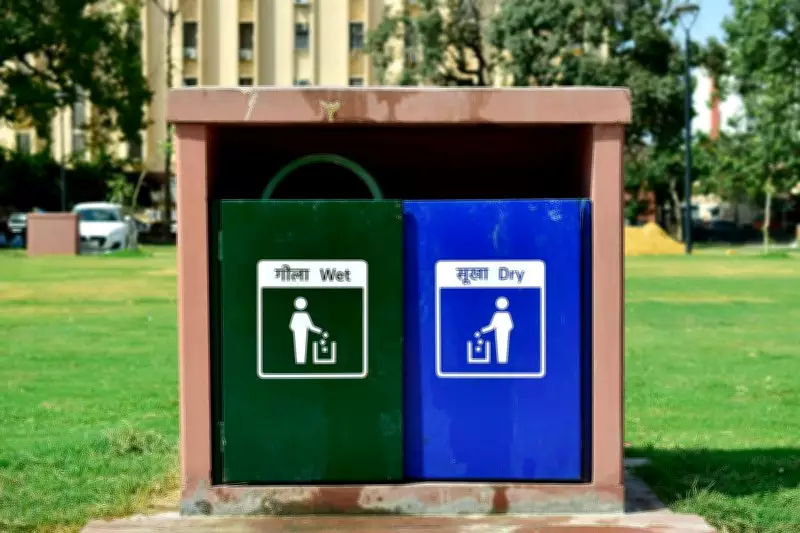
The Government of India has reported a remarkable improvement in waste processing under the Swachh Bharat Mission (Urban) 2.0, with the rate rising from a mere 16% in 2014 to an impressive 81% in 2026. This significant leap underscores the success of the flagship cleanliness drive in transforming urban sanitation infrastructure across the country.
Key Achievements Under SBM Urban 2.0
The Ministry of Housing and Urban Affairs highlighted that the mission has not only increased waste processing capacity but also enhanced the overall efficiency of solid waste management systems. The improvement is attributed to the construction of new waste-to-energy plants, composting facilities, and recycling units in cities and towns.
Infrastructure Development
Under the mission, over 1,000 waste processing plants have been established, including 75 waste-to-energy plants that convert garbage into electricity. Additionally, more than 500 composting plants have been set up to manage organic waste, reducing the burden on landfills.

Citizen Participation
The government emphasized that the success of the mission is largely due to the active participation of citizens, urban local bodies, and state governments. Awareness campaigns and community engagement initiatives have played a crucial role in promoting waste segregation at the source.
Impact on Urban Sanitation
The improvement in waste processing has led to cleaner cities, reduced air and water pollution, and better public health outcomes. The mission has also created employment opportunities in the waste management sector, with thousands of workers employed in collection, segregation, and processing activities.
Future Targets
Looking ahead, the government aims to achieve 100% waste processing by 2027, with a focus on scientific disposal and circular economy principles. The mission is also expanding to cover all urban areas, including smaller towns and peri-urban settlements.
The Swachh Bharat Mission Urban 2.0 continues to be a cornerstone of India's efforts to achieve sustainable development goals related to sanitation and environmental sustainability.