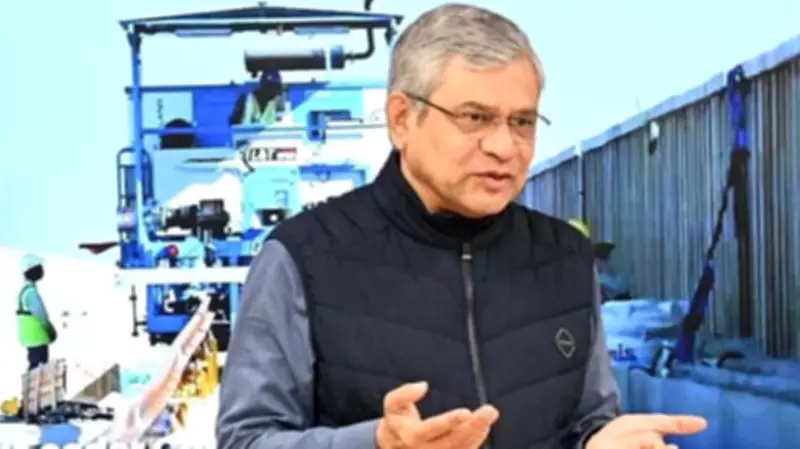
In a significant announcement that could transform regional connectivity in Southern and Western India, Railway Minister Ashwini Vaishnaw has committed to developing a high-speed bullet train corridor between Bengaluru and Pune. This ambitious infrastructure project promises to revolutionize travel patterns, boost economic integration, and create new opportunities for trade and mobility across multiple states.
A Vision for Enhanced Regional Connectivity
The proposed bullet train link represents a major leap forward in India's transportation infrastructure. According to the announcement, this corridor would enable rapid travel from Pune to several districts in Karnataka, potentially benefiting approximately six to seven districts along the route. This connectivity enhancement is expected to significantly reduce travel time between these two key economic hubs, fostering greater economic synergy and cultural exchange.
Strategic Importance of the Bengaluru-Pune Corridor
The Bengaluru-Pune corridor connects two of India's most dynamic technology and industrial centers. Bengaluru, often called India's Silicon Valley, and Pune, a rapidly growing IT and manufacturing hub, currently rely on conventional rail and road networks that often face congestion challenges. The bullet train project aims to address these limitations by providing a fast, efficient, and reliable transportation alternative that could transform how people and goods move between these regions.

The proposed high-speed rail link is expected to deliver multiple benefits:
- Dramatically reduced travel time between Bengaluru and Pune
- Enhanced connectivity for approximately 6-7 districts in Karnataka
- Boosted trade and economic activity between Maharashtra and Karnataka
- Improved mobility options for professionals, students, and tourists
- Potential for regional development along the corridor route
Economic and Social Implications
This infrastructure initiative aligns with India's broader vision for modernizing its transportation networks and promoting regional integration. The bullet train corridor could stimulate economic growth by facilitating easier movement of goods, services, and human capital between these important regions. Additionally, it may encourage balanced regional development by connecting urban centers with surrounding districts that could benefit from improved accessibility.
The announcement comes as part of ongoing efforts to expand India's high-speed rail network, building upon existing projects like the Mumbai-Ahmedabad bullet train corridor. While specific timelines and funding details were not immediately provided, the commitment signals the government's continued focus on transformative infrastructure projects that can drive economic growth and improve quality of life for citizens.
As India continues to invest in modern transportation infrastructure, the Bengaluru-Pune bullet train corridor represents a forward-looking initiative that could reshape regional connectivity patterns and contribute to the nation's economic development goals. The project's successful implementation would mark another milestone in India's journey toward becoming a global leader in transportation innovation and infrastructure development.