

Uttar Pradesh Government Implements Significant Wage Increase for Daily Workers
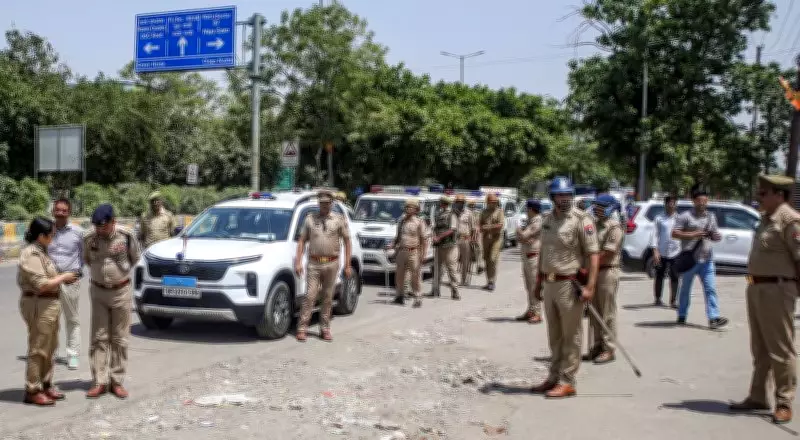
In a decisive move to address labor unrest, the Uttar Pradesh government has announced a substantial wage hike for daily wage workers, following recent protests in Noida. This adjustment raises the monthly earnings for unskilled laborers by nearly Rs 3,000, marking a critical step toward improving working conditions and economic stability in the state.
Background of the Noida Protest and Government Response
The wage increase comes in the wake of organized demonstrations by daily workers in Noida, who demanded better pay and enhanced benefits. These protests highlighted the growing concerns over inadequate compensation and the need for policy reforms to support the labor force. In response, state authorities conducted a thorough review of wage structures, leading to this proactive measure aimed at mitigating discontent and fostering a more equitable work environment.
Details of the Wage Hike and Its Implications
The revised wage policy elevates the daily rate for unskilled workers, resulting in an approximate monthly increase of Rs 3,000. This adjustment is expected to positively impact thousands of laborers across Uttar Pradesh, particularly in industrial hubs like Noida, by boosting their disposable income and overall quality of life. Experts suggest that such initiatives could enhance productivity and reduce turnover rates in key sectors.

- The hike applies specifically to unskilled daily wage workers in the state.
- It follows sustained advocacy and protests by labor groups in Noida.
- The increase is part of broader efforts to align wages with inflation and living costs.
Broader Context and Future Outlook
This wage revision aligns with ongoing discussions on labor rights and economic policies in India. By addressing the immediate demands of protesters, the Uttar Pradesh government aims to set a precedent for other regions grappling with similar issues. Moving forward, stakeholders emphasize the importance of continuous dialogue and periodic reviews to ensure wages remain competitive and fair in a dynamic economic landscape.






