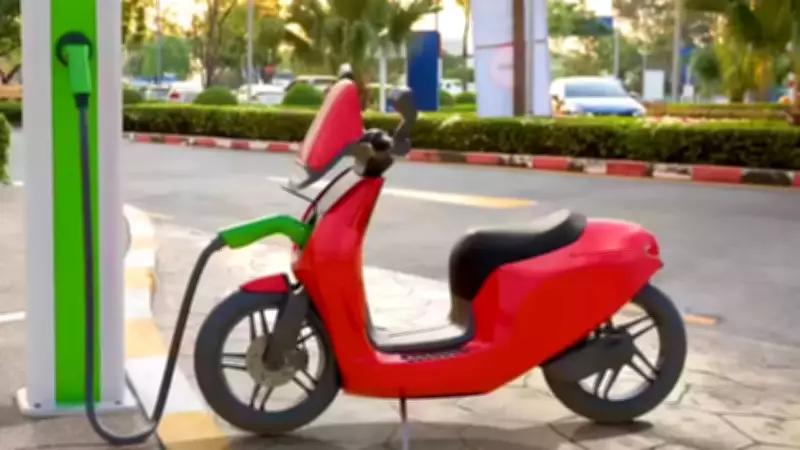
Telangana Government Considers Electric Scooter Scheme for Female College Students
In a significant announcement on International Women's Day, Telangana Chief Minister A. Revanth Reddy revealed that the state government is actively considering a proposal to provide electric scooters to female college students across the state. The announcement came during an event organized to felicitate women journalists, highlighting the government's commitment to women's empowerment and sustainable mobility.
Election Promise Under Review, Implementation Timeline Uncertain
The chief minister clarified that this initiative was part of an election promise made by the ruling Indian National Congress. However, he indicated that the scheme may not be implemented during the current financial year. "The proposal is still under review, and we are exploring various ways to roll it out effectively in the future," Reddy stated, emphasizing that the government is carefully examining the logistical and financial aspects before launching the program.
Comprehensive Electric Mobility Push in Hyderabad
Beyond the student-focused initiative, the Telangana government is implementing a broader strategy to combat pollution in Hyderabad through multiple electric vehicle measures:

- Diesel Bus Phase-Out: Approximately 2,800 diesel buses operated by the Telangana State Road Transport Corporation will be gradually removed from Hyderabad's roads. The government plans to replace them with electric AC buses, with the ambitious goal of ensuring that no diesel buses operate in the city by December 9, 2026.
- Auto-Rickshaw Retrofit Program: The state is preparing an action plan to retrofit nearly two lakh autos currently running on diesel or other fuels, converting them into electric vehicles to reduce emissions from the three-wheeler segment.
- Tax Incentives: To encourage electric mobility adoption, the government is not imposing taxes on EV purchases, making it more affordable for residents to switch to cleaner transportation options.
National Context of Electric Vehicle Growth
Electric vehicles have been gaining substantial traction across India in recent years, particularly in the two-wheeler segment where electric scooters are experiencing strong demand. Factors driving this adoption include:
- Lower running costs compared to traditional fuel vehicles
- Significantly reduced emissions contributing to cleaner urban environments
- Government incentives and policy support at both state and national levels
These elements have accelerated EV adoption, especially in metropolitan areas where pollution levels and fuel expenses remain pressing concerns for residents and policymakers alike.
The Telangana government's multi-pronged approach—combining gender-focused initiatives with comprehensive urban pollution reduction measures—positions the state as a potential leader in India's transition toward sustainable transportation solutions.