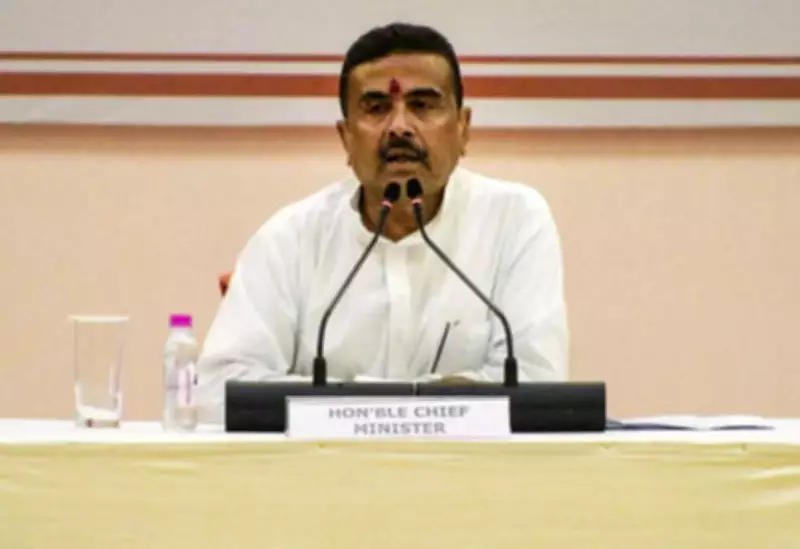
West Bengal's opposition leader Suvendu Adhikari has announced the launch of the 'Annapurna Bhandar' scheme, which will provide free travel for women on state-run buses starting from next month. The initiative is aimed at empowering women and easing their financial burden.
Key Features of the Scheme
The Annapurna Bhandar scheme will allow women to travel for free on all state government buses across West Bengal. This move is expected to benefit millions of women who rely on public transport for daily commutes, including those going to work, educational institutions, and markets.
Implementation Timeline
According to Adhikari, the scheme will be rolled out from next month. The state transport department is expected to issue necessary guidelines and arrange for the implementation, including the distribution of special passes or digital tokens for eligible women.

Objectives and Impact
The primary objective of the scheme is to promote women's participation in the workforce and reduce their dependence on private transport. By making travel free, the government hopes to increase mobility and economic independence among women. Additionally, it aims to improve safety and convenience for female passengers.
Reactions and Criticism
The announcement has received mixed reactions. While many women's rights groups have welcomed the move, some opposition parties have criticized it as a populist measure ahead of elections. Adhikari defended the scheme, stating that it is a long-term commitment to women's welfare and not just an electoral gimmick.
Funding and Sustainability
The state government has allocated funds from the annual budget to cover the costs of the scheme. The transport department will bear the revenue loss, which is expected to be compensated by increased ridership and potential savings from reduced traffic congestion.
Conclusion
The Annapurna Bhandar scheme marks a significant step towards women's empowerment in West Bengal. By providing free travel, the government aims to create a more inclusive and accessible public transport system. The success of the scheme will depend on efficient implementation and long-term sustainability.