Metroman E Sreedharan Launches Office in Ponnani for High-Speed Rail Project DPR
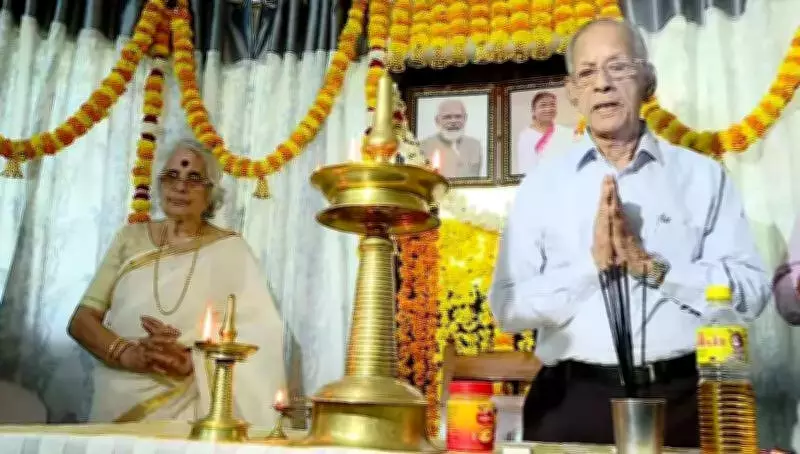
On Sunday, renowned Metroman E Sreedharan inaugurated a dedicated office in his hometown of Ponnani, Kozhikode, to spearhead the preparation of a detailed project report (DPR) for a proposed high-speed rail corridor in Kerala. The initiative follows his submission of the project proposal to Union Railways Minister Ashwini Vaishnaw, marking a significant step towards modernizing the state's transportation infrastructure.
Inauguration Ceremony and Team Assembly
The inauguration ceremony was a momentous occasion, with Sreedharan's wife, Radha Sreedharan, lighting a traditional lamp to formally open the office. This symbolic gesture underscored the personal and professional commitment to the project. The office has already attracted several former officials from the Delhi Metro Rail Corporation (DMRC), who have joined Sreedharan's team, bringing extensive expertise in rail project management and execution.
Budget Omission and Political Reactions
Interestingly, the project did not find mention in Union Finance Minister Nirmala Sitharaman's Budget speech delivered on the same day. This omission sparked immediate criticism from the Kerala state government and opposition parties, who accused the Centre of neglecting the state in the budgetary allocations. However, Sreedharan clarified that the project's absence from the Budget does not impede its progress, as it falls under the purview of the Union Railways Ministry.

Project Details and Central Authorization
Sreedharan revealed that he has submitted an estimate of Rs 13.1 crore to the Union Railways Ministry for preparing the DPR. He emphasized that this is a central government project, not ordered by the state government, and therefore does not require prior approval from Kerala authorities. The Union railways minister has the authority to order surveys anywhere in the country, and the DPR work is being carried out as per the minister's directive, he stated. Sreedharan plans to inform the state government at an appropriate stage, including writing to the chief minister once formal authorization is received from the Centre.
Field Surveys and Public Engagement
The team will conduct comprehensive field visits to finalize key aspects of the project. This includes determining the locations of proposed stations, deciding whether they should be underground or elevated, and carrying out ground-level surveys between stations to mark the placement of central pillars. Additionally, Sreedharan highlighted plans for outreach programmes to engage with residents along the proposed alignment, addressing any concerns they may have about the project's impact on their communities.
Land Acquisition and Compensation
Land acquisition for the project will be conducted under the Land Acquisition Act, which allows for compensation of up to four times the market rate. This provision aims to ensure fair treatment for landowners and minimize disputes during the acquisition process.
Expected Benefits and Operational Details
The high-speed rail corridor is projected to significantly reduce travel time between Thiruvananthapuram and Kannur to approximately 3.15 hours. Trains are planned to operate at intervals of 10 minutes initially, with the potential to reduce this to three minutes in later stages. This enhancement promises to boost connectivity, economic growth, and tourism in Kerala, aligning with broader national infrastructure goals.