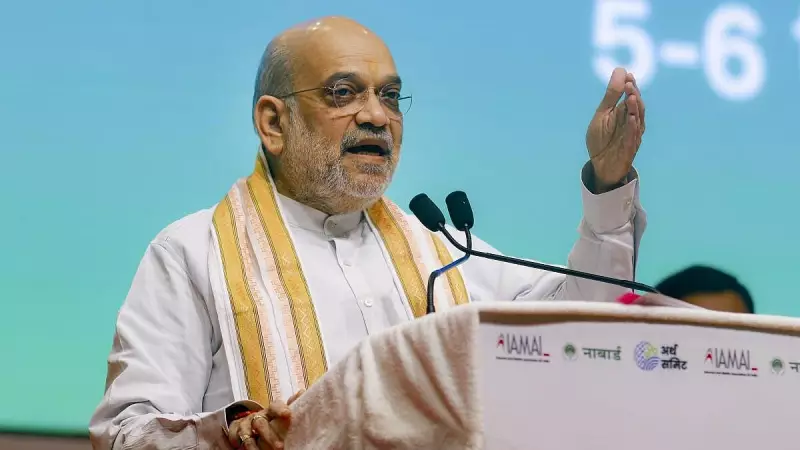
In a significant announcement aligning current policies with historical ideals, Union Home Minister Amit Shah stated that the Narendra Modi-led government is actively reviving Mahatma Gandhi's vision for the empowerment and upliftment of rural India. The cornerstone of this revival is a massive nationwide expansion of the cooperative movement.
Ambitious Targets for Cooperative Growth
Shah outlined concrete and ambitious goals to transform the rural economic landscape through cooperatives. He announced the government's plan to establish a cooperative institution for every Panchayat across the country. This grassroots-level institutional framework is designed to bring the benefits of collective action to the doorsteps of villagers.
Furthermore, setting a monumental target for membership, Shah revealed the aim to create over 50 crore active cooperative members nationwide. This scale of participation, if achieved, would fundamentally reshape the cooperative sector, making it one of the largest networks of economic collaboration in the world.

Linking Modern Governance to Gandhian Ideals
The minister framed these sweeping initiatives not merely as economic policy but as a conscious effort to reconnect with the foundational principles laid down by Mahatma Gandhi. Gandhi strongly advocated for self-sufficient village republics (Gram Swaraj) and saw cooperatives as a vital tool for economic democracy and poverty alleviation.
By invoking Gandhi's name, Shah positioned the Modi government's cooperative sector push as a continuation and modernization of that core philosophy. The move is presented as using a Gandhian instrument—the cooperative—to achieve contemporary goals of rural development, financial inclusion, and economic self-reliance.
Implications for Rural Economy and Development
The implications of establishing a cooperative in every Panchayat and enrolling over 50 crore members are profound. This structure could potentially:
- Boost agricultural marketing and processing, giving farmers better price realization.
- Enhance access to credit and financial services in remote areas.
- Create sustainable livelihoods through village-level industries and service cooperatives.
- Strengthen the economic fabric of rural communities by fostering collective ownership and decision-making.
The announcement, made on 05 December 2025, signals a major policy focus on reinvigorating the cooperative model. It underscores the government's intent to make the sector a primary engine for equitable growth, directly linking its success to the realization of Gandhi's dream for prosperous and autonomous villages.