Cabinet Greenlights Major Railway Infrastructure Projects in Eastern India
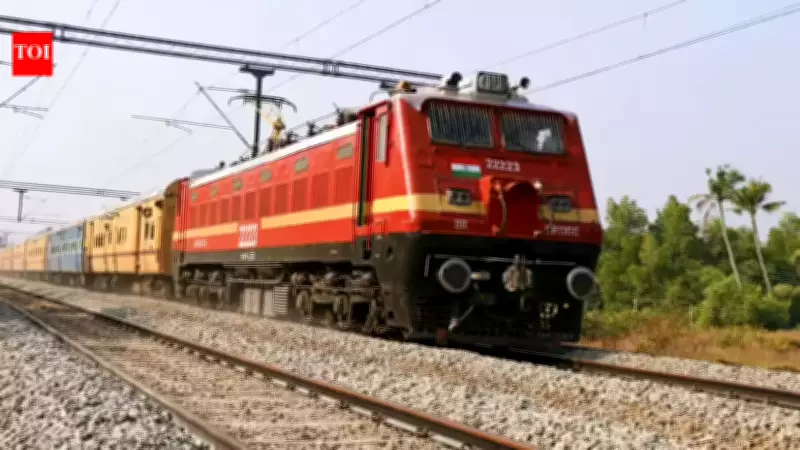
The Union Cabinet, chaired by Prime Minister Narendra Modi, has given its approval for two significant railway multitracking projects with a combined investment of Rs 4,474 crore. These ambitious initiatives are set to transform rail connectivity in West Bengal and Jharkhand, addressing long-standing congestion issues while enhancing both freight and passenger movement capabilities across eastern India.
Project Details and Implementation Timeline
The approved projects include the Sainthia–Pakur 4th line and the Santragachi–Kharagpur 4th line, which together will expand the Indian Railways network by approximately 192 kilometers. According to official statements, both projects are scheduled for completion by the fiscal year 2030-31, marking a substantial infrastructure development timeline.
These railway expansions will span five districts across the two states, creating improved rail access for approximately 5,652 villages with a combined population of about 1.47 crore residents. The strategic placement of these additional lines is designed to significantly enhance line capacity, thereby improving operational efficiency and service reliability while substantially reducing congestion on these critical transportation corridors.

Strategic Integration with National Development Plans
The projects have been meticulously planned under the PM Gati Shakti National Master Plan, which emphasizes strengthening multimodal connectivity and logistics efficiency through integrated infrastructure planning across various sectors. This approach ensures that railway development aligns with broader economic and transportation objectives.
The expanded rail capacity will facilitate the movement of essential commodities including:
- Coal and stone
- Dolomite and cement
- Slag and gypsum
- Iron and steel products
- Foodgrains and petroleum products
- Containerized freight
Officials estimate that the upgraded infrastructure will handle additional freight traffic of approximately 31 million tonnes per annum (MTPA), representing a substantial boost to regional logistics capabilities.
Environmental and Economic Benefits
Beyond transportation improvements, these projects promise significant environmental advantages. Government projections indicate they will reduce logistics costs while cutting oil imports by around 6 crore liters annually. Furthermore, the initiatives are expected to lower carbon dioxide emissions by approximately 28 crore kilograms, an environmental impact equivalent to planting about one crore trees.
Tourism and Regional Development Impact
The enhanced rail connectivity will also benefit tourism to several important destinations in the region, including:
- Bolpur-Shantiniketan, renowned for its cultural heritage
- Nandikeshwari Temple, a significant religious site
- Tarapith, another important pilgrimage destination
- Patachitra Gram, known for traditional art forms
- Dhadika Forest and Bhimbandh Wildlife Sanctuary for nature enthusiasts
- Rameshwar Kund, a popular tourist attraction
These infrastructure developments represent a comprehensive approach to regional growth, combining economic, environmental, and social benefits through strategic railway expansion in eastern India.