Understanding Punjab's Meri Rasoi Scheme
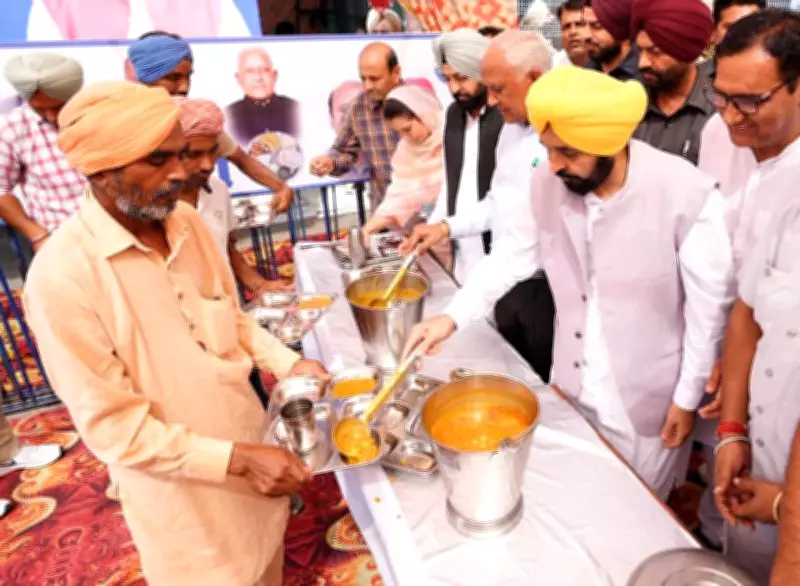
The Meri Rasoi scheme, launched by the Punjab government, is a significant initiative aimed at addressing food insecurity and improving the well-being of its residents. This program provides subsidized meals at affordable prices, targeting low-income families, daily wage workers, students, and other vulnerable groups across the state.
Why This Scheme Matters
Food security remains a critical issue in many regions, and Punjab's Meri Rasoi scheme plays a vital role in combating hunger. By offering nutritious meals at minimal costs, it ensures that basic nutritional needs are met, particularly for those struggling financially. The scheme not only alleviates immediate hunger but also contributes to long-term health outcomes by promoting better dietary habits.
From a social perspective, Meri Rasoi fosters community support and reduces economic disparities. It helps stabilize household budgets by reducing food expenses, allowing families to allocate resources to other essential needs like education and healthcare. Additionally, the scheme supports local economies by creating employment opportunities in food preparation and distribution sectors.

Key Features and Implementation
The scheme operates through designated centers where meals are prepared and served under hygienic conditions. Key aspects include:
- Affordable pricing to ensure accessibility for all income levels.
- Focus on nutritional value, with balanced meals designed to meet dietary requirements.
- Wide reach across urban and rural areas to maximize impact.
- Regular monitoring to maintain quality and efficiency in service delivery.
Government efforts involve collaboration with local authorities and NGOs to streamline operations and address logistical challenges. This multi-stakeholder approach enhances the scheme's effectiveness and ensures it reaches the intended beneficiaries.
Broader Implications and Future Outlook
Punjab's Meri Rasoi scheme sets a precedent for other states to adopt similar measures in tackling food insecurity. It aligns with national goals of reducing poverty and improving public health, making it a model for sustainable social welfare programs. As the scheme evolves, potential expansions could include incorporating more diverse meal options and leveraging technology for better management and outreach.
In summary, the Meri Rasoi scheme is more than just a food program; it is a cornerstone of Punjab's commitment to social equity and public welfare. By ensuring that no one goes hungry, it strengthens the social fabric and paves the way for a healthier, more prosperous society.