PM Modi to Inaugurate Complete Namo Bharat Corridor in Meerut
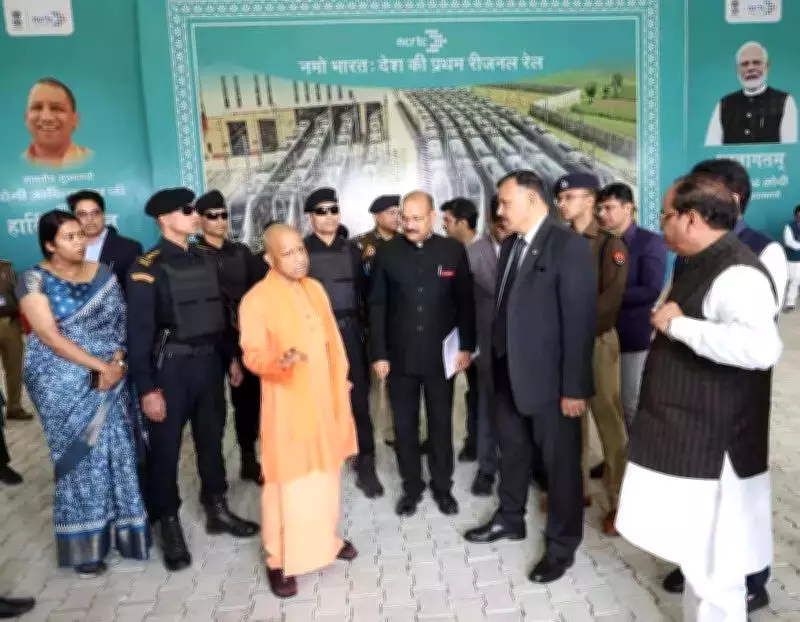
Prime Minister Narendra Modi is set to inaugurate the entire 82-kilometer Delhi–Ghaziabad–Meerut Namo Bharat corridor this Sunday, exactly seven years after he laid the foundation stone for India's pioneering Rapid Rail Transit System (RRTS) project. This landmark event will be held in Meerut, where Uttar Pradesh Chief Minister Yogi Adityanath conducted a preparatory review on Saturday ahead of the inauguration and a public rally.
Phased Development and Final Stretch
The ambitious Rs 30,270-crore corridor, initially launched on March 8, 2019, has been commissioned in multiple phases to ensure efficient implementation. Commercial operations commenced on the Sahibabad–Duhai segment on October 20, 2023, followed by a 17-kilometer extension to Modinagar North in March 2024. The Sahibabad–Ashok Nagar section was subsequently opened in January 2025.
With Sunday's inauguration, the final 26-kilometer stretch—encompassing the route from New Ashok Nagar to Sarai Kale Khan and Meerut South to Modipuram—will become fully operational, thereby completing the entire corridor. This milestone represents the culmination of a significant infrastructure endeavor aimed at enhancing regional connectivity.

Additional Inaugurations and Metro Launch
In addition to the Namo Bharat corridor, Prime Minister Modi will flag off the 23-kilometer Meerut Metro, which features 13 stations, starting from Shatabdi Nagar station. He is also scheduled to take a metro ride to Meerut South, symbolizing the integration of rapid rail and metro systems.
Furthermore, Modi will inaugurate and dedicate various development projects valued at approximately Rs 13,000 crore before addressing the gathering at the public rally. These projects underscore the government's commitment to fostering economic growth and infrastructure development in the region.
Significance and Impact
The completion of the Namo Bharat corridor is expected to revolutionize transportation in the National Capital Region (NCR), reducing travel time between Delhi and Meerut significantly. As India's first RRTS project, it sets a precedent for future high-speed rail initiatives across the country, promoting sustainable urban mobility and regional integration.