PM Modi Inaugurates India's Fastest Metro in Meerut, Namo Bharat Corridor
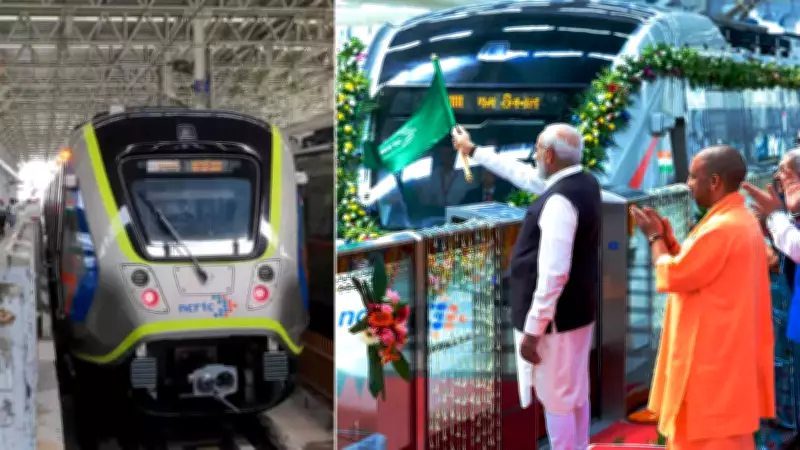
Prime Minister Narendra Modi has officially launched the remaining sections of the 82-kilometer Delhi–Meerut Regional Rapid Transit System (RRTS) corridor, along with the new 23-kilometer Meerut Metro, significantly enhancing high-speed regional connectivity in the Delhi-National Capital Region (NCR). This major infrastructure milestone was marked by a ceremony where PM Modi flagged off key stretches, including the Sarai Kale Khan–New Ashok Nagar section in Delhi and the Meerut South–Modipuram stretch in Uttar Pradesh.
Revolutionizing Travel with High-Speed Rail
The RRTS corridor, designed to operate at a top speed of 180 kilometers per hour, is set to transform intercity travel by connecting Delhi with Meerut in less than 60 minutes. This rapid transit system will link crucial urban hubs such as Ghaziabad and Modinagar, providing a seamless and efficient alternative to road travel. Meanwhile, the Meerut Metro, capable of reaching speeds up to 120 kmph, will complete its entire route in approximately 30 minutes, sharing tracks with the Namo Bharat train to optimize infrastructure usage.
Boost to Infrastructure and Economy
During the inauguration event, PM Modi, accompanied by Uttar Pradesh Chief Minister Yogi Adityanath, also unveiled various other development projects with a combined worth of ₹12,930 crore. In his address, the Prime Minister emphasized that this dual launch exemplifies the proactive work culture of the "double-engine government," referring to the coordinated efforts between the central and state administrations to accelerate progress and deliver tangible benefits to citizens.

Key Features of the New Transport Systems:
- Delhi-Meerut RRTS: 82 km length, 180 kmph top speed, end-to-end travel under one hour.
- Meerut Metro: 23 km length, 120 kmph top speed, 30-minute full route completion.
- Integrated Operations: Meerut Metro shares tracks with Namo Bharat trains for enhanced efficiency.
- Economic Impact: Part of a broader ₹12,930 crore investment in regional infrastructure.
This launch is expected to reduce traffic congestion, lower travel times, and stimulate economic growth in the Delhi-NCR region by improving accessibility and connectivity. The projects align with the government's vision of modernizing India's transportation network and promoting sustainable urban development.