PM Modi Launches Kaziranga Elevated Corridor Project in Assam
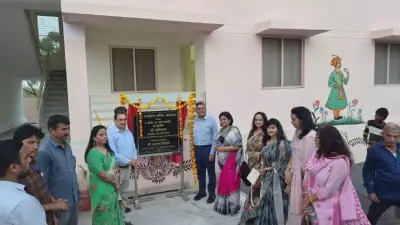
Prime Minister Narendra Modi performed the Bhoomi Pujan ceremony for the Kaziranga Elevated Corridor Project on Saturday. The event took place in Kaliabor, Assam. This major infrastructure initiative marks the beginning of a project designed to improve connectivity while safeguarding one of India's most sensitive wildlife regions.
A Major Infrastructure Investment
The project involves the four-laning of the Kaliabor–Numaligarh section of National Highway-715. According to the PIB press release, the investment exceeds INR 6,950 crore. Officials describe this project as a model for balancing development with environmental protection.
Speaking at the event, Prime Minister Modi thanked everyone who attended. He shared that visiting Kaziranga brought back memories of his previous trip to the area. He recalled camping for a night in Kaziranga National Park. The next morning, he witnessed the region's natural beauty during an elephant safari.

The Soul of Assam
Prime Minister Modi highlighted the emotional and ecological significance of Kaziranga. He emphasized that Kaziranga is not just a national park. People have always described it as "the soul of Assam." It represents one of the precious jewels in India's biodiversity map. UNESCO recognizes Kaziranga as a World Heritage Site.
Why This Corridor Matters
Kaziranga National Park is famous for its population of one-horned rhinoceroses. The park also hosts tigers, elephants, and other animals. However, its special flood-plain ecology creates repeated challenges.
During monsoon seasons, extensive parts of the park flood. Animals must then move to higher land outside the park boundaries. This movement often brings wildlife onto the national highway that flanks the park. The situation causes traffic obstructions, accidents, and tragic animal fatalities.
The Prime Minister noted that helping traffic move freely while protecting the forest and its wildlife has been a longstanding issue. The Kaziranga Elevated Corridor aims to solve this problem. It will enable vehicles and animals to move without becoming obstacles or risks to each other.
Project Details and Design
The Kaziranga Elevated Corridor is an environmentally conscious highway project along NH-715. The total length spans 86 kilometers. Its most remarkable feature is a 35-kilometer-long elevated wildlife corridor passing through the Kaziranga landscape.
On this elevated stretch, vehicles will move above ground. Wildlife will pass underneath without any hindrance. According to the Prime Minister, designers prepared the corridor's layout with traditional movement routes of rhinos, elephants, and tigers in mind. This approach ensures that natural migratory paths remain undisturbed even as road infrastructure upgrades.
The project includes additional components:
- 21 kilometers of bypass sections
- 30 kilometers of widening existing highway from two lanes to four lanes
The corridor will pass through Nagaon, Karbi Anglong, and Golaghat districts. These areas play a crucial role in connecting different parts of Assam.
Safety Benefits for Wildlife and Road Users
One core target of the project is minimizing human-wildlife conflict. The elevated corridor reduces interaction between high-speed vehicular traffic and animal pathways. This reduction should lower the risk of animals getting stranded on roads during floods.
Prime Minister Modi stated the project would improve road safety by reducing accidents and easing congestion. The stretch often becomes a bottleneck. Smoother traffic flow will benefit daily commuters and long-distance travelers, especially during peak travel seasons.
Boosting Regional Connectivity
The Kaziranga Elevated Corridor's importance extends beyond conservation. It aims to boost regional connectivity significantly. The project will improve connectivity to Upper Assam, including Dibrugarh and Tinsukia districts. It will enhance linkages between Assam and Arunachal Pradesh.
Bypasses developed in Jakhalabandha and Bokakhat will ease congested roads along the route. This upgrade will improve mobility in towns and raise living standards for local residents. The road will handle increased traffic, which should boost regional trade.

Prime Minister Modi stressed the historical and strategic significance of Kaliabor. He described it as the gateway to Kaziranga and an old connectivity hub for Upper Assam. He remembered Kaliabor's history, noting its significance since the Ahom days. He expressed pleasure seeing development move Kaliabor toward becoming a growth hub once again.
Conservation, Tourism and Livelihoods
Prime Minister Modi connected environmental conservation with economic opportunities. He cited Kaziranga's upward trend in tourist footfalls over recent years. This growth has created new income sources for local communities through homestays, guiding services, transport, handicrafts, and small enterprise development.
He emphasized that saving nature involves more than protecting wildlife. It also ensures a sustainable future for the state and creates opportunities for upcoming generations. When nature remains secure, opportunities follow—a principle evident in this corridor's design.
Broader Vision for Northeast India
The Prime Minister stated this project forms part of broader efforts to bring Northeast India into the country's development mainstream. For decades, the region experienced physical isolation and limited public attention. This situation contributed to stunted economic growth and reduced faith in government institutions.
Sustained investment in road, rail, and water connectivity is changing that reality. By combining modern infrastructure with wildlife protection, the Kaziranga Elevated Corridor serves as an example of how development and ecology can advance together.
As the project moves forward, it should play a key role in improving safety, connectivity, and livelihoods. Simultaneously, it will ensure that Kaziranga's unique natural heritage remains protected for future generations.