PM Modi Virtually Flags Off 25 Electric Buses for Chandigarh Under E-Bus Sewa Scheme
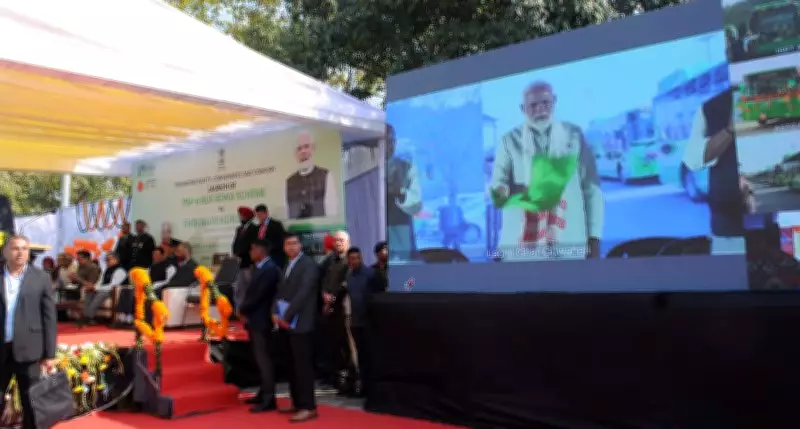
In a significant move towards enhancing sustainable urban transport, Prime Minister Narendra Modi virtually inaugurated 25 new electric buses for Chandigarh under the E-Bus Sewa scheme. This initiative aims to modernize public transportation and reduce the city's carbon footprint, aligning with India's broader goals for environmental conservation and clean energy adoption.
Boosting Green Mobility in Chandigarh
The virtual flag-off ceremony highlights the government's commitment to promoting eco-friendly alternatives in public transit. The 25 electric buses are expected to operate on key routes across Chandigarh, providing residents with a reliable and pollution-free mode of travel. This deployment is part of a larger effort under the E-Bus Sewa scheme, which seeks to introduce electric buses in various cities to combat air pollution and dependence on fossil fuels.
Key Features and Benefits of the E-Bus Sewa Scheme
The E-Bus Sewa scheme is designed to support cities in transitioning to electric public transport systems. Key aspects include:

- Reduced Emissions: Electric buses produce zero tailpipe emissions, contributing to cleaner air and lower greenhouse gas levels.
- Cost Efficiency: Over time, electric buses can offer lower operational costs compared to traditional diesel or CNG buses, thanks to reduced fuel and maintenance expenses.
- Enhanced Passenger Experience: These buses often come with modern amenities such as comfortable seating, air conditioning, and improved safety features, making public transport more attractive to commuters.
- Infrastructure Development: The scheme includes provisions for charging stations and other necessary infrastructure to support the seamless operation of electric buses.
Impact on Chandigarh's Urban Landscape
Chandigarh, known for its planned architecture and green spaces, stands to benefit significantly from this initiative. The introduction of electric buses is expected to:
- Improve air quality by cutting down on vehicular pollution, which is a growing concern in urban areas.
- Encourage more people to use public transport, potentially reducing traffic congestion and promoting a shift towards sustainable mobility.
- Serve as a model for other Indian cities, demonstrating the feasibility and advantages of adopting electric buses in public transit systems.
This move is part of a series of efforts by the central and state governments to integrate green technologies into everyday life, supporting India's commitments under international climate agreements.
Future Prospects and Expansion Plans
Under the E-Bus Sewa scheme, the government plans to expand the fleet of electric buses across multiple cities in the coming years. For Chandigarh, this initial rollout of 25 buses is just the beginning, with potential for more additions based on performance and public response. The success of this project could pave the way for broader adoption of electric vehicles in India's public transport sector, contributing to energy security and environmental sustainability.
In conclusion, the virtual flag-off by PM Modi marks a pivotal step in Chandigarh's journey towards greener urban mobility. By leveraging the E-Bus Sewa scheme, the city is set to enhance its public transport network while championing eco-friendly practices that align with global sustainability trends.