PM Modi Virtually Launches 25 Electric Buses for Chandigarh Under PM e-Bus Sewa Scheme
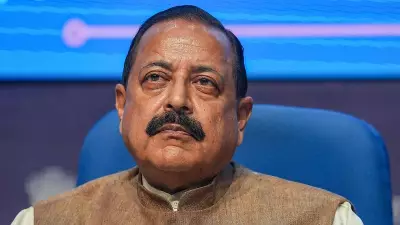
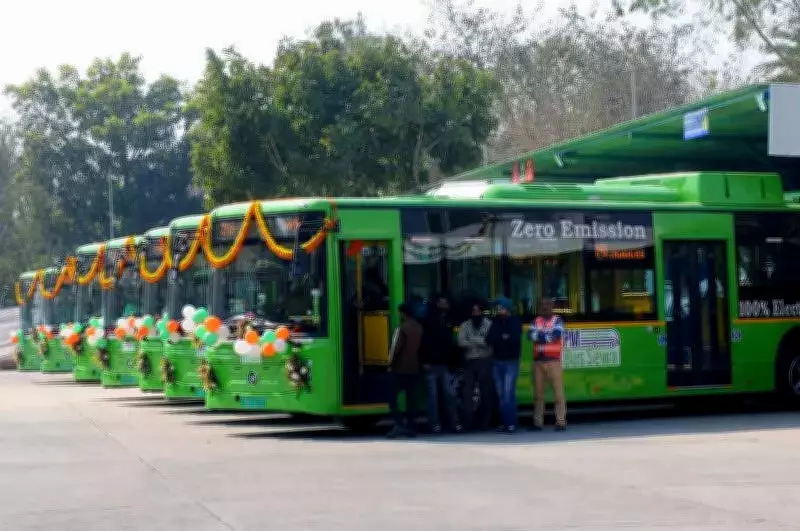
Prime Minister Narendra Modi virtually flagged off 25 electric buses for the city of Chandigarh from Guwahati on Saturday, marking a significant step in the expansion of eco-friendly public transport under the PM e-Bus Sewa scheme. This initiative is part of a broader effort to enhance urban mobility while reducing carbon emissions across Indian cities.
Expansion of Green Transport in Chandigarh
The Ministry of Housing and Urban Affairs has sanctioned a total of 428 buses for Chandigarh under the PM e-Bus Sewa Scheme. For the initial lot of 100 buses, Convergence Energy Services Limited, operating under the ministry, invited an e-tender to hire buses for the city. The UT administration signed an agreement at a rate of Rs 61.80 per kilometer.
Under this hiring model, the procurement, maintenance, and operation of the buses will be managed by the operator, while the department will collect fare revenue. This approach aims to streamline operations and ensure efficient service delivery.

Current and Future Electric Bus Fleet
In line with the administration's commitment to green transport, 80 electric buses are already operational in Chandigarh. With the addition of the 25 buses flagged off on Saturday, the total number of operational electric buses will reach 105. The delivery of the remaining 75 buses is expected by the end of April or May 2026, bringing the fleet to 180 electric buses.
Looking ahead, the Chandigarh administration has ambitious plans to further strengthen its eco-friendly public transport system. By the end of the financial year 2027–28, all diesel buses operating within the Tricity area will be replaced with electric buses. Additionally, 70 more buses will be added to the fleet, taking the total number of electric buses in Chandigarh to 508. This expansion is projected to significantly reduce carbon emissions, improve urban mobility, and enhance the quality of life for citizens.
Features of the New Electric Buses
The newly-inducted 12-metre low-floor, air-conditioned electric buses boast a range of 224 kilometers on a single charge. Key features include:
- A 400mm low floor for easy boarding, especially beneficial for senior citizens, children, and women.
- A power-operated ramp and electronically controlled kneeling mechanism to assist divyangjan commuters.
- A seating capacity of 36 passengers plus the driver, along with wheelchair space and a standing capacity of 20 passengers.
- Air suspension at the front and rear for a smoother ride.
- Disc brakes at the front for enhanced safety.
- Passenger information displays at the front, side, and rear, along with voice-enabled next-stop announcements.
Safety and Monitoring Enhancements
For improved safety and monitoring, the buses are equipped with advanced technology, including:
- People-counting cameras on both doors to manage passenger flow.
- Five CCTV cameras covering the passenger area, driver behavior, reverse view, and dashboard.
- AIS-140-compliant GPS devices for real-time tracking.
- Panic buttons integrated with the command control centre of the state transport authority for emergency responses.
- Stop-request buttons for passenger convenience.
Routes for the Newly-Added Fleet
The new electric buses will operate on specific routes to serve key areas of Chandigarh:
- Route No. 22: ISBT-43 to IT Park and vice versa.
- Route No. 30A: ISBT-43 to Cantonment and vice versa.
- Route No. 240: ISBT-43 to Mata Mansa Devi via Sector 43/44 and Kisan Bhawan and vice versa.
- Route No. 241: ISBT-43 to Mata Mansa Devi via Sector 52/53 and YPS Chowk and vice versa.
The Chandigarh administration remains dedicated to promoting green and eco-friendly public transport, with this initiative representing a major leap forward in sustainable urban development.