In a significant move to bolster women-led development across India, NITI Aayog is expanding the reach of its flagship Women Entrepreneurship Platform (WEP). The policy think tank is actively transitioning the platform to a state-level implementation model, forging stronger public-private partnerships to unlock the potential of millions of aspiring women business leaders.
Scaling Up for a National Impact
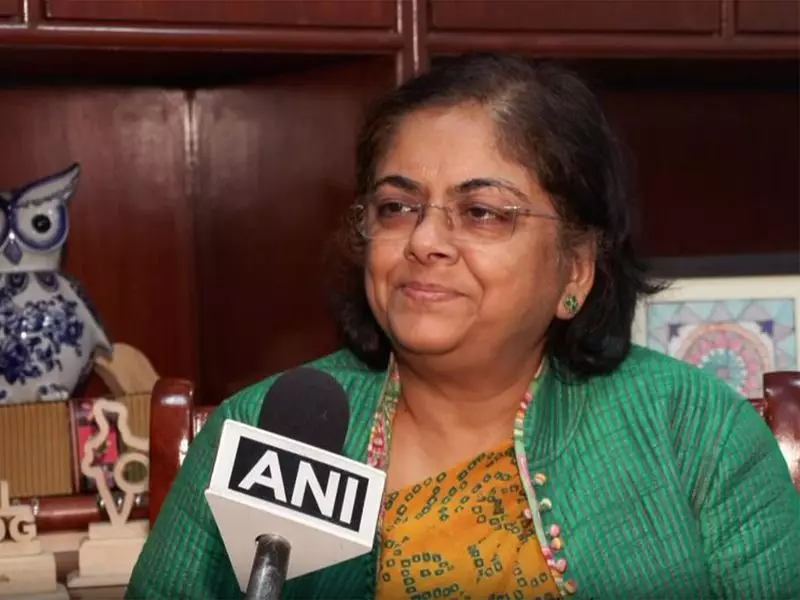
Anna Roy, Senior Adviser at NITI Aayog and the driving force behind Mission LiFE and WEP, revealed the strategic expansion. The core objective is to decentralize the platform's reach and impact by integrating it with state governments and their industrial policies. This move aims to create a more localized and accessible support ecosystem for women entrepreneurs beyond the national level.
The ambitious goal is to empower 10 million women entrepreneurs across the country. To achieve this, NITI Aayog is not just expanding geographically but also deepening its collaboration with the private sector. Roy emphasized that the new approach strengthens the public-private partnership (PPP) model, ensuring that corporate resources, mentorship, and market linkages directly benefit women at the grassroots level.

Building on a Strong Foundation
The Women Entrepreneurship Platform was launched by NITI Aayog as a comprehensive ecosystem builder. It functions as a one-stop digital hub designed to address the multifaceted challenges women face when starting and scaling a business. The platform provides crucial resources across several key pillars:
- Entrepreneurship Skilling and Education: Access to training programs and knowledge resources.
- Incubation and Acceleration: Guidance and support to grow early-stage ventures.
- Funding and Financial Assistance: Connections to investors, grants, and financial institutions.
- Compliance and Tax Assistance: Help in navigating regulatory requirements.
- Marketing and Community Support: Networking opportunities and market access.
By taking this model to the states, NITI Aayog intends to tailor these services to regional economic landscapes and specific local challenges. This ensures that a woman entrepreneur in a small town has as much access to growth opportunities as her counterpart in a major metropolitan city.
The Power of Public-Private Collaboration
The expansion strategy heavily relies on synergistic partnerships. NITI Aayog is collaborating with various corporate entities and industry bodies to funnel expertise, funding, and infrastructure towards women-led enterprises. This PPP model is seen as a force multiplier, leveraging government reach and policy support with private sector innovation and efficiency.
Roy highlighted that this integrated approach is essential for achieving sustainable, women-led development. It moves beyond isolated initiatives to create a cohesive national framework where state governments, private companies, and civil society organizations work in concert. The ultimate vision is to make entrepreneurship a viable and celebrated career path for women, thereby contributing significantly to India's economic growth and social progress.
This state-focused rollout marks a pivotal chapter in India's journey towards economic gender parity. By embedding support structures within state machinery and amplifying them through private partnerships, the WEP expansion has the potential to ignite a nationwide wave of women's entrepreneurship, transforming local economies and inspiring future generations.