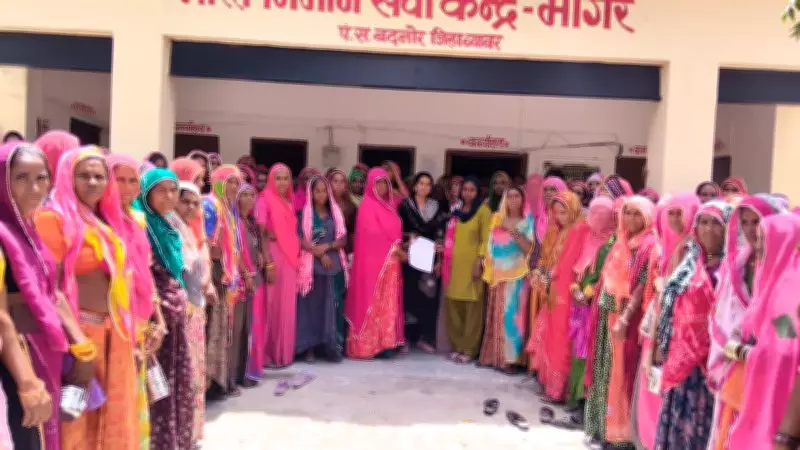
MGNREGA Workers Take to Streets in VB Gram, Demand 200 Days of Employment
Hundreds of workers enrolled under the Mahatma Gandhi National Rural Employment Guarantee Act (MGNREGA) staged a protest in VB Gram on Tuesday, demanding that the government increase the number of guaranteed workdays from 100 to 200 per year. The protesters, mostly women and daily wage laborers, carried placards and chanted slogans against the local administration, accusing it of failing to provide adequate work and timely payment of wages.
Key Demands of the Agitating Workers
The primary demand of the protesters is an amendment to the MGNREGA Act to raise the minimum workdays from 100 to 200. They argue that the current provision is insufficient to sustain rural livelihoods, especially in the face of rising inflation and unemployment. Additionally, the workers demanded immediate clearance of pending wages, which in some cases have been delayed for several months. They also called for the removal of alleged corrupt officials who they claim are siphoning off funds meant for the scheme.
Background of the Protest
The protest comes amidst growing discontent among MGNREGA beneficiaries across the country. In VB Gram, workers reported that they have received less than 50 days of work in the current financial year, forcing many to migrate to cities in search of alternative employment. The situation has been exacerbated by the COVID-19 pandemic, which led to job losses and reduced incomes. The workers' union, which organized the protest, stated that they will continue their agitation until the government addresses their grievances.

Response from Authorities
Local administration officials have acknowledged the protest and assured the workers that their demands would be forwarded to the state government. However, they cited budgetary constraints and lack of sufficient funds from the central government as reasons for the limited work allocation. The district magistrate, who met a delegation of protesters, promised to expedite the payment of pending wages and explore ways to increase work opportunities under the scheme.
Broader Implications
The demand for 200 days of work under MGNREGA is not new. Several civil society organizations and political parties have been advocating for this change for years. The protest in VB Gram highlights the persistent challenges faced by rural workers and the need for a stronger social safety net. As the national government prepares for the upcoming budget, the workers hope that their voices will be heard and that MGNREGA will be strengthened to better support the rural poor.