In a significant move towards enhancing renewable energy infrastructure, the Maharashtra government has unveiled ambitious plans to establish floating solar power projects on dam waters across the Krishna and Godavari river basins. This innovative initiative aims to leverage existing water bodies for clean energy generation while addressing multiple environmental and resource management challenges.
Strategic Implementation Across Major River Basins
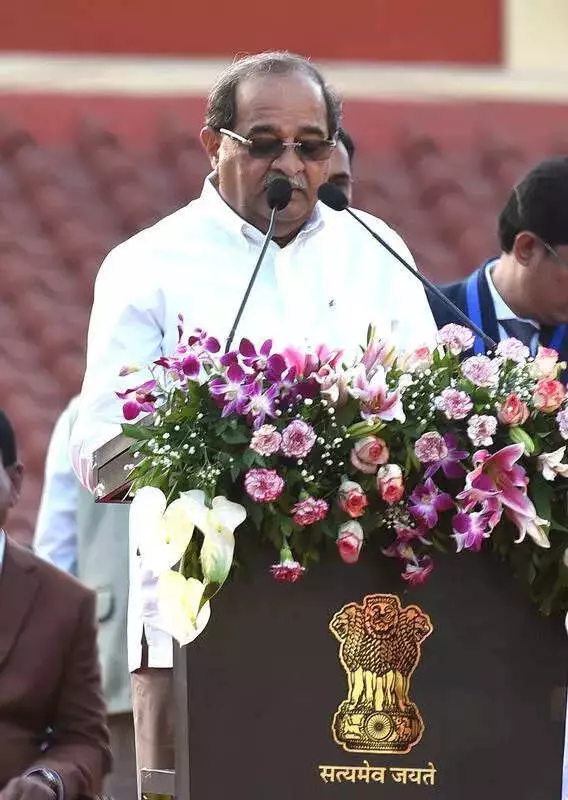
The state administration, led by Energy Minister Radhakrishna Vikhe Patil, has identified multiple dam sites within the Krishna and Godavari basins as prime locations for these floating solar installations. These two major river systems, which serve as crucial water sources for agriculture, drinking water, and industrial use across Maharashtra, will now also contribute to the state's power generation capacity through this dual-purpose approach.
Technical Advantages of Floating Solar Technology
Floating solar projects offer several distinct advantages over traditional land-based solar installations. The natural cooling effect of water helps maintain optimal panel temperatures, potentially increasing energy efficiency by up to 10-15% compared to ground-mounted systems. Additionally, these installations help reduce water evaporation from reservoirs, conserving precious water resources in drought-prone regions of Maharashtra.

The projects will utilize specially designed floating platforms that can withstand varying water levels and weather conditions. These platforms will support photovoltaic panels that convert sunlight directly into electricity, which will then be integrated into the state's power grid through appropriate transmission infrastructure.
Environmental and Economic Benefits
Beyond clean energy generation, these floating solar projects promise substantial environmental benefits. By utilizing existing water surfaces, they avoid the land acquisition challenges and ecological disruption often associated with large-scale solar farms. The reduced evaporation rates can help maintain water levels in reservoirs, particularly important during dry seasons when water scarcity becomes a critical concern.
Economically, the initiative aligns with Maharashtra's renewable energy targets and commitments under national climate action plans. The projects are expected to create employment opportunities in installation, maintenance, and monitoring sectors while contributing to energy security and potentially reducing electricity costs in the long term.
Implementation Timeline and Capacity Targets
While specific capacity figures and implementation timelines are still being finalized, preliminary assessments suggest these floating solar projects could significantly boost Maharashtra's renewable energy portfolio. The state government is currently conducting feasibility studies to determine optimal locations, technical specifications, and implementation strategies across various dam sites in both river basins.
The initiative represents part of Maharashtra's broader strategy to diversify its energy mix and reduce dependence on conventional power sources. By harnessing solar energy on water bodies that already serve multiple purposes, the state demonstrates innovative thinking in resource optimization and sustainable development.
Future Prospects and Expansion Potential
Successful implementation of these initial projects could pave the way for similar installations across other water bodies in Maharashtra. The state's extensive network of reservoirs, lakes, and irrigation tanks presents numerous opportunities for scaling up floating solar capacity in coming years.
This approach also offers a model for other Indian states with similar geographical and hydrological characteristics, potentially contributing to national renewable energy goals while addressing water conservation challenges through integrated resource management strategies.