LPG Supply Crisis Deepens as Government Calls for Swift Action on City Gas Networks
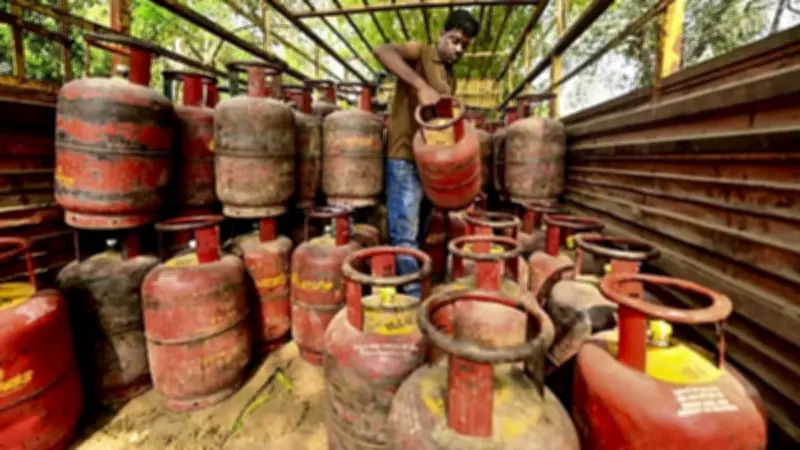
The persistent crunch in liquefied petroleum gas (LPG) supply across India shows no signs of abating, prompting the central government to intensify its efforts to resolve the issue. In a significant move, authorities are now urging state governments to accelerate the clearance and implementation of city gas distribution (CGD) projects. This push aims to bolster the nation's gas infrastructure and ensure a more reliable supply chain for consumers.
Government's Directive to States on Gas Projects
The central government has issued a clear directive to state administrations, emphasizing the critical need to fast-track pending city gas projects. These initiatives are designed to expand the distribution network for piped natural gas (PNG) and compressed natural gas (CNG), which could alleviate the current LPG shortages. By enhancing the gas supply framework, the government hopes to mitigate the impact of the ongoing crunch and provide a sustainable solution for households and industries alike.
Key aspects of the government's strategy include:

- Expediting regulatory approvals for new CGD projects at the state level.
- Encouraging collaboration between central and state agencies to streamline implementation.
- Focusing on urban and semi-urban areas where demand for LPG is particularly high.
Impact of LPG Shortages on Consumers and Economy
The continued LPG crunch has led to widespread inconvenience for millions of households, especially in regions heavily reliant on cylinders for cooking and heating. This shortage not only disrupts daily life but also poses economic challenges, as industries dependent on LPG face operational hurdles. The government's push for city gas projects is seen as a proactive measure to address these issues by diversifying the energy mix and reducing dependency on traditional LPG cylinders.
Experts suggest that expanding city gas networks could offer long-term benefits, including:
- Improved energy security through a more robust distribution system.
- Reduced environmental impact by promoting cleaner fuels like natural gas.
- Enhanced affordability and accessibility for consumers in underserved areas.
Challenges and Future Outlook for Gas Distribution
Despite the government's efforts, several challenges remain in implementing city gas projects. These include logistical hurdles, funding constraints, and coordination gaps between different levels of governance. However, with sustained pressure from the central government, states are expected to prioritize these initiatives to combat the LPG crunch effectively.
Looking ahead, the success of this push will depend on how quickly states can act and integrate city gas networks into their energy policies. If executed efficiently, these projects could mark a turning point in India's gas supply landscape, offering relief from the persistent shortages and paving the way for a more resilient energy infrastructure.