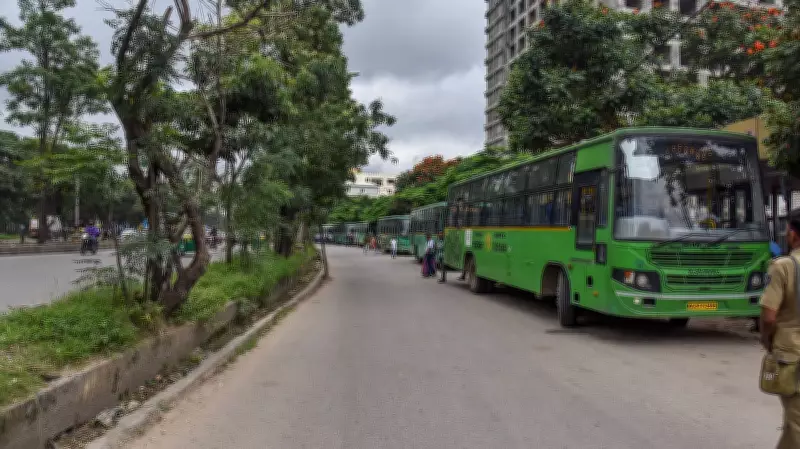
Kerala's free bus rides for women highlight the short-termism of policy decisions and underscore the urgent need for long-term transit reform. The scheme, while popular, is financially unsustainable and masks deeper structural problems in the state's public transport system.
Financial Burden of Free Rides
The free bus scheme for women in Kerala could cost the state exchequer between ₹57 crore and ₹112 crore per month. This is a burden that the Kerala State Road Transport Corporation (KSRTC) cannot bear without significant state support. The model echoes failed experiments like Telangana's Mahalakshmi scheme, which also faced financial viability issues.
Collapse of Private Bus Sector
Kerala's private bus fleet has plummeted dramatically, from approximately 35,000 vehicles to fewer than 7,300. This decline has left the state with just 0.50 buses per 1,000 people, far below the recommended norm. The primary cause is outdated licensing laws that have stifled competition and innovation.

Need for Regulatory Reform
The establishment of a Kerala Public Transport Regulatory Authority (KPTRA) has been proposed as a solution. Such an authority could license operators transparently, set service standards, and end KSRTC's monopolistic control over policy. This would create a level playing field and encourage private sector participation.
Data-Driven Network Design
A standing analytics function should be created to identify underserved routes, rationalise frequencies, and replace politically motivated allocations with published, contestable data. This would improve service delivery and ensure resources are used efficiently.
Multimodal Integration
A common mobility card, unified ticketing system, and the inclusion of auto-rickshaws and mini-buses as core transport components could create seamless, efficient journeys across Kerala. This would reduce reliance on private vehicles and improve overall mobility.
In conclusion, while free bus rides for women address immediate concerns, they are not a substitute for comprehensive reform. Kerala must focus on regulatory independence, data-driven planning, and multimodal integration to build a sustainable and efficient public transport system.