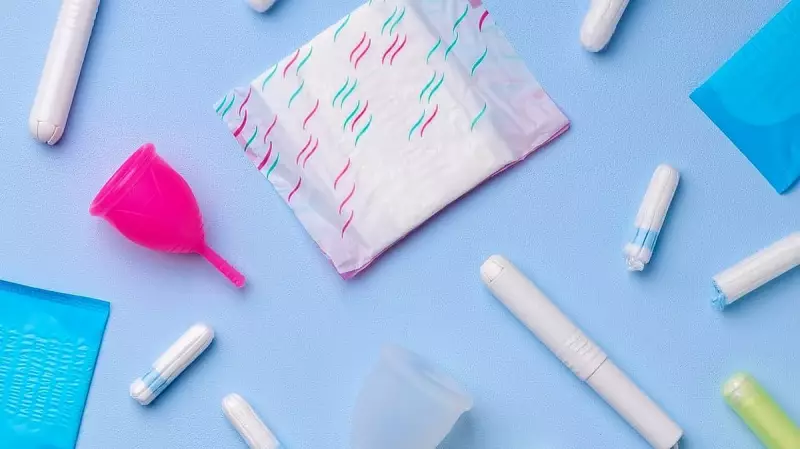
In a significant upgrade to its flagship menstrual hygiene initiative, the Karnataka government has announced a major shift in the products provided under the Shuchi Programme for the academic year 2025-26. The scheme will now distribute sanitary cups instead of sanitary napkins to its vast beneficiary base.
Expanding Reach with an Eco-Friendly Shift
According to a recent government order, the revamped scheme will benefit a staggering 19,64,507 girls studying in classes 6 to 12 across the state. This move marks a pivotal change in strategy, focusing on sustainable and long-term menstrual hygiene solutions. The shift from disposable sanitary napkins to reusable sanitary cups is seen as a step towards reducing environmental waste while providing a more economical and durable option for young women.
Details of the Shuchi Programme 2025-26
The order, which was officially released, outlines the framework for the programme's latest iteration. The core objective remains ensuring access to safe menstrual hygiene products for adolescent girls in government and aided schools. The decision to switch product types is backed by considerations of cost-effectiveness, environmental sustainability, and the longer lifespan of menstrual cups compared to single-use napkins.

The scheme's implementation will be closely monitored by the Department of Education in collaboration with the Department of Health and Family Welfare. The government has earmarked necessary funds for the procurement and distribution of the sanitary cups to all identified beneficiaries.
Implications for Public Health and Education
This policy revision is expected to have far-reaching consequences. Firstly, it promotes the use of a sustainable product, aligning with broader environmental goals. Secondly, by providing a reusable product, it potentially reduces the recurring cost burden on the state exchequer and offers girls a product that lasts for several years with proper care.
Experts suggest that such initiatives are crucial for improving school attendance and reducing dropout rates among adolescent girls. Lack of access to proper menstrual hygiene products has historically been a barrier to education. The Shuchi Programme, first launched to provide sanitary napkins, has been instrumental in addressing this issue. Its evolution to include cups represents a maturation of the state's approach to menstrual health management.
The success of this upgraded scheme will depend on effective distribution channels and comprehensive educational campaigns to ensure the girls are well-informed about the use and maintenance of the new products. The government is likely to roll out awareness modules alongside the distribution drive.