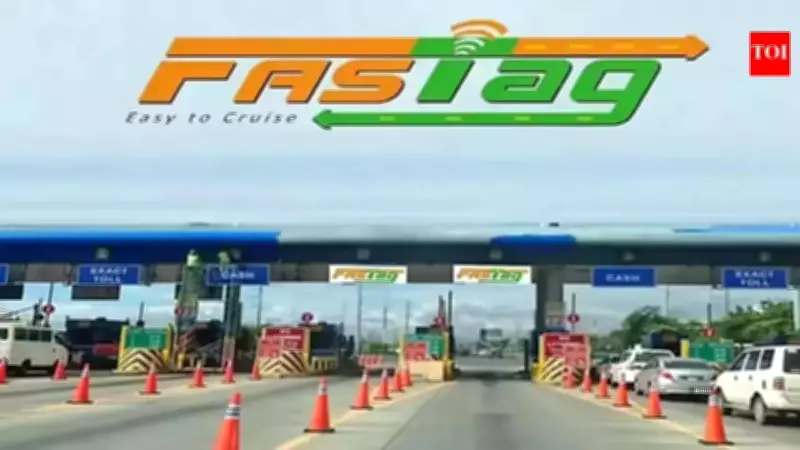
India Mandates Electronic Toll Payments, Eliminates Cash Option on Highways
In a significant move toward a fully digital transportation ecosystem, the Indian government has officially announced the complete elimination of cash transactions at all national highway toll plazas. According to a formal gazette notification issued by the Ministry of Road Transport and Highways, this transformative policy will take effect from April 10, 2026.
Digital-First Toll Collection Becomes Mandatory
The notification mandates that all toll payments on India's extensive network of national highways must be made exclusively through electronic modes. This decision represents the culmination of the government's sustained push for digital infrastructure and cashless transactions across the economy. FASTag, the radio-frequency identification (RFID) based electronic toll collection system, will now become the default and expected payment method for all highway users.
For regular commuters, this shift might not feel entirely disruptive. Over the past several years, many toll plazas have progressively reduced cash lanes and actively discouraged manual payments. However, the new rule formalizes and universalizes this practice nationwide, removing any remaining cash options.

Penalty Mechanism for Non-Compliance
While the policy eliminates cash, it does provide a technological fallback for vehicles without a valid FASTag. Drivers will still be permitted to make payments using the Unified Payments Interface (UPI). However, this convenience comes with a significant financial disincentive designed to encourage FASTag adoption.
Vehicles opting for UPI payment without a valid, active FASTag will be charged 1.25 times the standard toll fee—a 25% surcharge. Although this penalty might appear modest for a single transaction, it accumulates substantially over long-distance travel, effectively making non-compliance an expensive choice. The policy architecture clearly aims to nudge all users toward installing and maintaining functional FASTags rather than relying on last-minute digital alternatives.
Operational and Environmental Benefits
Officials from the National Highways Authority of India (NHAI) have emphasized that the primary driver behind this mandate is operational efficiency. Persistent queues at toll plazas have long been a source of congestion, delays, and driver frustration. Even minor delays per vehicle can compound during peak hours, creating kilometers of traffic backups.
With FASTag, vehicles can pass through dedicated electronic lanes without stopping, as the system automatically deducts the toll fee from the linked prepaid or savings account. This seamless transaction drastically reduces processing time per vehicle, potentially alleviating congestion and improving overall traffic flow on critical highway corridors.
An additional, though less highlighted, benefit is environmental. Reduced idling and waiting times at plazas translate to lower fuel consumption and decreased vehicular emissions. On heavily trafficked routes, this could contribute to meaningful reductions in the transportation sector's carbon footprint and local air pollution.
Implications for Highway Travellers
For the vast majority of highway users, this transition is expected to be smooth. FASTag adoption in India is already widespread, with millions of vehicles regularly using the system. The mandate essentially codifies an existing trend toward digital toll collection.
However, drivers who have persistently relied on cash payments—such as occasional travellers, some commercial vehicle operators, or individuals with lapsed or inactive FASTags—will need to adapt promptly. The 25% surcharge on UPI payments without a valid FASTag effectively removes any financial advantage or convenience in remaining outside the formal electronic toll collection system. Vehicle owners are strongly advised to ensure their FASTags are properly linked, funded, and functional well before the April 2026 deadline to avoid penalties and ensure hassle-free travel.
This policy marks a definitive step in India's journey toward a digitized, efficient, and modern highway infrastructure, aligning with broader national goals of financial inclusion and technological advancement in public services.