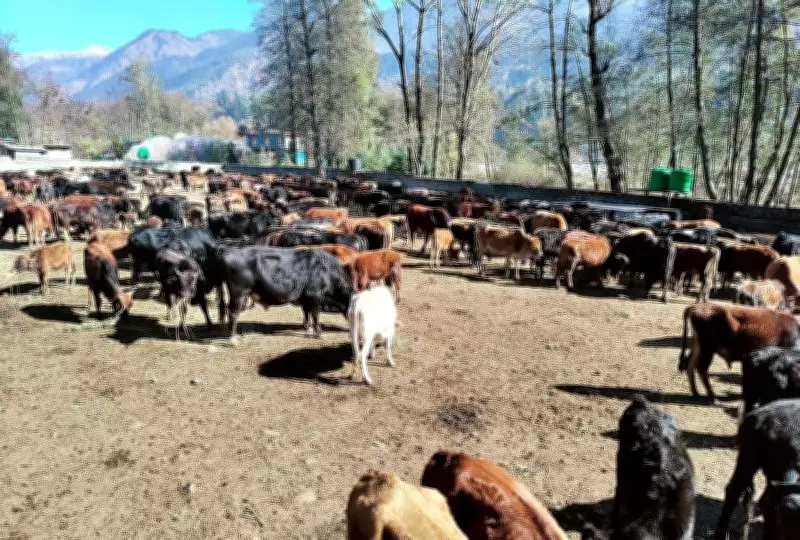
Himachal Pradesh Explores Innovative Solution to Stray Cattle Menace
The government of Himachal Pradesh is actively considering a groundbreaking proposal to address the state's escalating stray cattle problem. This initiative involves the strategic use of sex-sorted semen kits in animal husbandry practices, aiming to fundamentally alter the population dynamics of cattle in the region.
Understanding the Stray Cattle Crisis
Stray cattle have become a significant public safety and agricultural concern across Himachal Pradesh. These animals often wander onto roads, causing traffic hazards and accidents, while also damaging crops and posing risks to local communities. The unchecked proliferation of stray cattle has strained resources and prompted urgent calls for effective management strategies from various stakeholders.
The Proposed Technological Intervention
The proposed solution centers on the application of sex-sorted semen technology, a sophisticated biotechnological method. This technique allows for the pre-selection of the sex of offspring by sorting sperm cells based on their DNA content before artificial insemination. By ensuring a higher proportion of female births, the strategy aims to gradually increase the population of productive dairy animals while reducing the number of male calves that are often abandoned or left to stray.

- Enhancing the economic viability of cattle rearing by promoting female births for milk production
- Reducing the abandonment of male calves that contribute to the stray population
- Improving overall cattle management and welfare standards
- Mitigating public safety risks associated with stray cattle on roads and in agricultural areas
Potential Benefits and Implementation Challenges
If implemented successfully, this approach could yield multiple benefits for Himachal Pradesh. Economically, it could boost dairy productivity by increasing the female cattle population. Socially, it addresses the nuisance and danger posed by stray animals. Environmentally, better-managed cattle populations could reduce crop damage and improve sanitation in rural and urban areas.
However, the proposal faces several practical challenges. These include the cost and accessibility of sex-sorted semen technology for small-scale farmers, the need for extensive training in artificial insemination techniques, and potential ethical considerations regarding genetic selection. The government would need to develop comprehensive support programs, possibly including subsidies and educational campaigns, to ensure widespread adoption and effectiveness.
Broader Context and Future Implications
This initiative reflects a growing trend of applying advanced biotechnology to traditional agricultural problems. Himachal Pradesh's consideration of sex-sorted semen kits places it at the forefront of innovative animal husbandry solutions in India. The success or failure of this approach could influence similar efforts in other states grappling with stray cattle issues.
The proposal represents a significant shift from reactive measures, such as impounding stray animals, to a proactive, population-level intervention. It underscores the state government's commitment to finding sustainable, long-term solutions to complex socio-agricultural challenges.As discussions progress, stakeholders including farmers, animal welfare groups, and agricultural experts will likely contribute to refining the proposal. The ultimate implementation strategy will need to balance technological innovation with practical feasibility and ethical considerations to effectively address Himachal Pradesh's stray cattle dilemma.