Gujarat Fishermen Secure Diesel Subsidy Protection After Centre Reverses Price Hike
Fishermen in Gujarat have received crucial relief as the Central government has decided to roll back a recent steep increase in bulk diesel prices, ensuring they continue to receive fuel at subsidised rates. This intervention follows a formal request from the Gujarat state government, which argued for treating fishermen as retail consumers rather than industrial users.
Price Hike Triggered by Global Market Volatility
Earlier this week, oil marketing companies raised the price of bulk diesel by Rs 22.43 per litre for industrial consumers in response to rising global crude prices. This increase was directly linked to ongoing supply disruptions caused by the Middle East conflict, which has created significant volatility in international energy markets.
The price revision had been extended to diesel supplied to fishing boats, immediately triggering concern among Gujarat's extensive fishing community. Many fishermen faced the prospect of substantially higher operational costs that would have threatened their livelihoods.

State Government Intervention Secures Exception
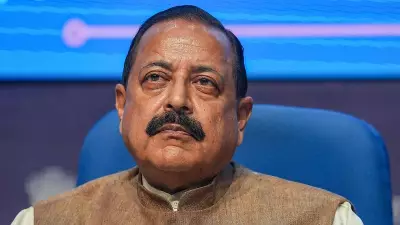
Fisheries Minister Jitu Vaghani revealed that the Gujarat government intervened swiftly, urging the Centre to provide a "special exception" for fishermen. The state argued that fishermen should be treated as retail consumers rather than industrial users, given the essential nature of their work and their vulnerability to price fluctuations.
"Under the guidance of Prime Minister Narendra Modi, the Centre has accepted this reasonable representation of the fishermen of Gujarat," an official release stated. "The Centre has instructed Bharat Petroleum to withdraw the increase of Rs 22.43 in the price of diesel used in fishermen's boats."
Broader Fuel Price Context
The broader price revision comes at a time of significant global oil market instability. Bulk diesel prices in Delhi, for instance, were raised from Rs 87.67 per litre to Rs 109.59, representing a substantial increase for industrial and commercial users.
However, officials have emphasized that retail fuel prices for the general public remain unchanged. Petrol in the national capital continues to be priced at Rs 94.77 per litre, while regular diesel remains at Rs 87.67.
"Some increase is reported in the premium category which hardly makes up for 2%-4% of the entire petrol sold in the country," explained Sujata Sharma, joint secretary in the Ministry of Petroleum and Natural Gas. "There is no increase in price for the common man."
Deregulated Market and Global Dependencies
Sharma further clarified that fuel prices are determined by oil marketing companies as petrol and diesel have been deregulated, meaning the government does not directly set rates. Retail prices have been frozen since April 2022, with companies absorbing fluctuations in global crude prices.
This policy approach becomes particularly significant given India's substantial dependence on imported crude oil. The country relies on imports for approximately 88% of its crude oil needs, with a significant portion transported through the strategically vital Strait of Hormuz.
Ongoing tensions in the Middle East region have disrupted supplies and pushed global crude prices higher, with rates touching $119 per barrel before easing to around $108. These geopolitical factors directly influence domestic fuel pricing decisions.
Historical Agreement and Current Resolution
The Gujarat state government had previously entered into an agreement with Bharat Petroleum to supply diesel to fishermen at discounted prices. The recent price revision threatened to undermine this arrangement until the rollback was approved.
"A representation was made to Vaghani, MLAs, local leaders and various fisheries organisations," the official release noted. "Considering the seriousness of the matter, Vaghani, under the guidance of the chief minister, made a representation to the Centre to intervene in the matter."
The release concluded: "So, the fishermen of the state will now receive diesel at the previously decided concessional rate."

Broader Economic Impact
While fishermen have received this exemption, many manufacturers and transporters across Gujarat continue to face challenges from the diesel price increase. These sectors are already grappling with existing pressures from inflation and energy market volatility, creating a complex economic landscape.
The government has indicated it will maintain its current approach of absorbing global price fluctuations unless there is a significant and sustained spike in international oil rates. This balancing act between protecting vulnerable sectors and managing broader economic stability remains a key policy challenge.
For now, Gujarat's fishing community can breathe easier knowing their operational costs will remain manageable despite turbulent global energy markets.