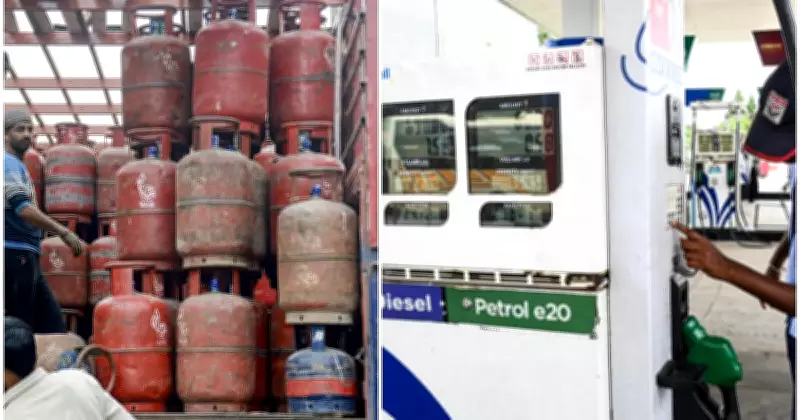
Government Mandates Priority for Piped Natural Gas Over LPG in New Directive
In a significant move to streamline India's energy consumption, the government has issued a fresh order prioritizing Piped Natural Gas (PNG) over Liquefied Petroleum Gas (LPG) for household use. This directive, announced on March 25, 2026, aims to accelerate the adoption of cleaner and more efficient fuel sources across the nation.
Centre's Assurance on Fuel Availability
Amid concerns over potential disruptions, the Centre has firmly assured citizens that there will be no shortage of fuel supplies. Officials emphasized that this policy shift is designed to optimize resource allocation and promote sustainable energy practices without compromising on availability.
Key Objectives of the New Order:

- Encourage the use of PNG, which is considered safer and more environmentally friendly than LPG.
- Reduce dependency on imported LPG by leveraging domestic natural gas infrastructure.
- Enhance energy security and efficiency in the long term.
Implications for Households and Industry
This directive is expected to have widespread implications for both residential consumers and the energy sector. Households are encouraged to transition to PNG connections, which offer continuous supply and lower operational costs compared to LPG cylinders. The government plans to support this transition through incentives and infrastructure development.
Experts highlight that this move aligns with India's broader goals of reducing carbon emissions and improving air quality. By prioritizing PNG, the government aims to cut down on the logistical challenges associated with LPG distribution, such as cylinder refills and transportation.
Background and Future Steps
The order comes as part of ongoing efforts to modernize India's energy framework. In recent years, there has been a push to expand PNG networks in urban and semi-urban areas, making this fuel more accessible. The Centre has reiterated its commitment to ensuring a smooth implementation, with no immediate disruptions to existing LPG services.
Looking ahead, authorities will monitor the rollout closely, addressing any concerns from stakeholders. This policy is seen as a step towards a more resilient and sustainable energy ecosystem, supporting India's economic and environmental objectives.