Delhi-Meerut Namo Bharat Rapid Rail and Meerut Metro Inaugurated, Transforming Regional Connectivity
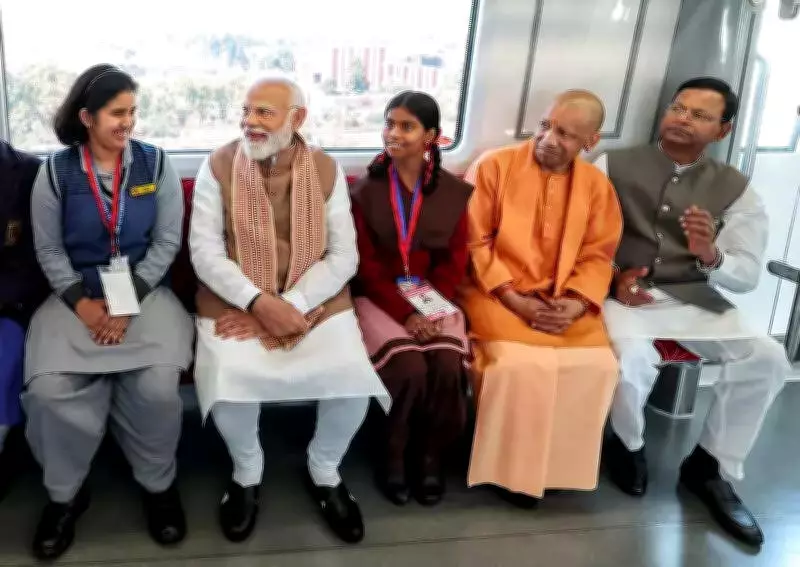
The complete 82-kilometer Delhi–Meerut corridor of the 'Namo Bharat' Rapid Rail and Meerut Metro was officially launched on Sunday, heralding a significant advancement in India's urban transport infrastructure. According to a statement from the Uttar Pradesh government, this milestone underscores the collaborative 'double engine' efforts between the central and state administrations to accelerate developmental progress in the region.
Revolutionizing Commute Times and Reducing Congestion
Developed by the National Capital Region Transport Corporation, this high-speed corridor now seamlessly connects Delhi and Meerut with state-of-the-art rapid rail services. The primary objective is to drastically cut down travel duration and alleviate traffic congestion along this heavily traversed route.
Previously, commuters often endured grueling journeys of three to 3.5 hours due to persistent traffic snarls. With the introduction of the Namo Bharat trains, which can achieve speeds of up to 180 kilometers per hour, the travel time between the two cities has been slashed to a mere 50 minutes. This represents a new benchmark in India's urban mobility landscape, setting a precedent for future transport projects.

Integrated Design and Economic Transformation
One of the most innovative aspects of this project is its integrated design framework. Both the high-speed Namo Bharat service and the intra-city Meerut Metro operate on the same infrastructure, creating a dual-use model that optimizes costs, enhances resource utilization, and speeds up implementation.
A spokesperson emphasized, "This integrated approach not only saves resources but also accelerates the delivery of efficient public transport solutions." Within Meerut city, the metro service links key urban centers from Meerut South to Modipuram, promising smoother local transit and providing much-needed relief from chronic traffic bottlenecks.
Women-Led Operations and Environmental Benefits
The Namo Bharat Rapid Rail service stands out for its remarkable gender inclusivity in operational roles. Nearly 80% of the staff, including loco pilots and station management personnel, are women, making it one of India's first rapid rail systems with such a high level of female participation. This initiative not only promotes gender equality but also sets a positive example for the transportation sector nationwide.
Officials project substantial environmental advantages from the new services. It is estimated that the rapid rail and metro could reduce the number of private vehicles on the road by nearly one lakh, potentially cutting carbon emissions by approximately 2.5 lakh tonnes annually. This aligns with broader sustainability goals and contributes to cleaner urban environments.
Boosting Economic and Residential Prospects
The enhanced connectivity is poised to transform Meerut into a unified economic and development zone, improving access to employment, education, and business opportunities. The spokesperson noted that since 2017, the Uttar Pradesh government has prioritized infrastructure as a core driver of growth, with expressways, airports, metro systems, and industrial corridors reshaping the state's development profile.
"Meerut, once more often associated with law-and-order concerns, is increasingly being projected as a symbol of modern infrastructure, industrial investment, and smart urban mobility," the spokesperson added. The new rapid rail system exemplifies both 'Ease of Living' and 'Ease of Doing Business,' offering safe, efficient, and time-saving travel options.
Improved connectivity is likely to position Meerut as a practical residential alternative to the high costs of living in Delhi-NCR. Professionals may now consider residing in Meerut while working in Delhi, thanks to the fast and reliable commute provided by the Namo Bharat Rapid Rail, fostering regional integration and economic synergy.