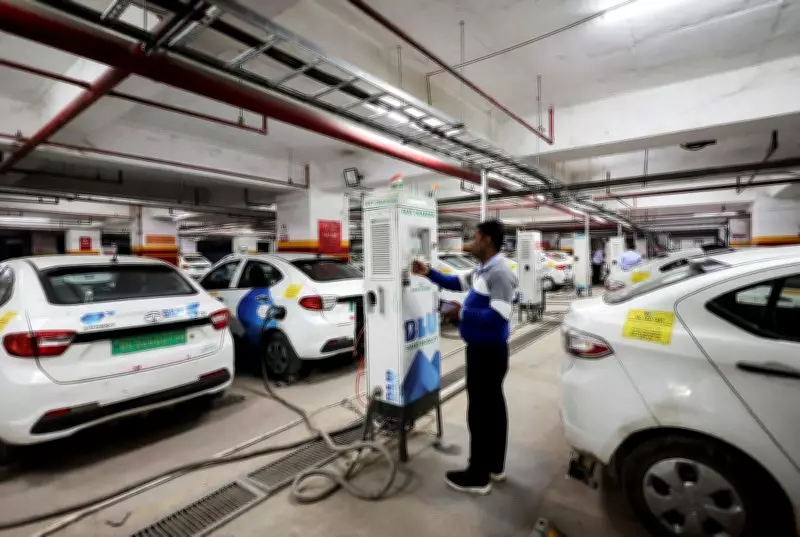
Delhi EV Policy 2026: A Rs 3,954 Crore Push for Electric Vehicles
The Delhi government has unveiled its ambitious Electric Vehicle (EV) Policy for 2026, earmarking a substantial investment of Rs 3,954 crore to accelerate the adoption of electric vehicles across the capital. This comprehensive policy aims to transform Delhi into a leading hub for green mobility, with a strong focus on incentives and infrastructure development.
Major Incentives and Subsidies
Under the new policy, significant financial incentives are planned to make electric vehicles more accessible to consumers. These include:
- Subsidies on the purchase of electric two-wheelers, three-wheelers, and four-wheelers.
- Reduced registration fees and road tax for EV owners.
- Charging infrastructure subsidies to encourage the setup of public and private charging stations.
The policy also proposes incentives for retrofitting existing vehicles with electric kits, promoting a gradual transition to cleaner transport options.

Mandatory Shift for Public Transport
A key highlight of the Delhi EV Policy 2026 is the mandatory shift towards electric vehicles in public transport. The government plans to:
- Convert all public buses to electric or other zero-emission vehicles by 2030.
- Introduce electric auto-rickshaws and taxis in a phased manner.
- Establish dedicated EV zones in high-traffic areas to reduce pollution.
This move is expected to significantly cut down air pollution levels and contribute to a healthier urban environment.
Infrastructure and Employment Boost
The Rs 3,954 crore allocation will not only fund vehicle subsidies but also support the development of robust charging infrastructure. Plans include:
- Installing over 10,000 public charging stations across Delhi by 2026.
- Promoting battery swapping facilities for commercial vehicles.
- Encouraging private investments in EV manufacturing and servicing units.
This initiative is projected to create thousands of jobs in the EV sector, boosting the local economy and fostering innovation in sustainable technology.
Environmental and Economic Impact
The Delhi EV Policy 2026 aligns with national goals to reduce carbon emissions and combat climate change. By promoting electric vehicles, the policy aims to:
- Decrease Delhi's reliance on fossil fuels.
- Improve air quality by reducing vehicular pollution.
- Lower operational costs for consumers through reduced fuel and maintenance expenses.
Experts believe that this policy could serve as a model for other Indian cities looking to adopt similar green mobility strategies.
In summary, the Delhi EV Policy 2026 represents a bold step towards a sustainable future, with its Rs 3,954 crore investment set to revolutionize the city's transport landscape through incentives, mandatory shifts, and infrastructure development.