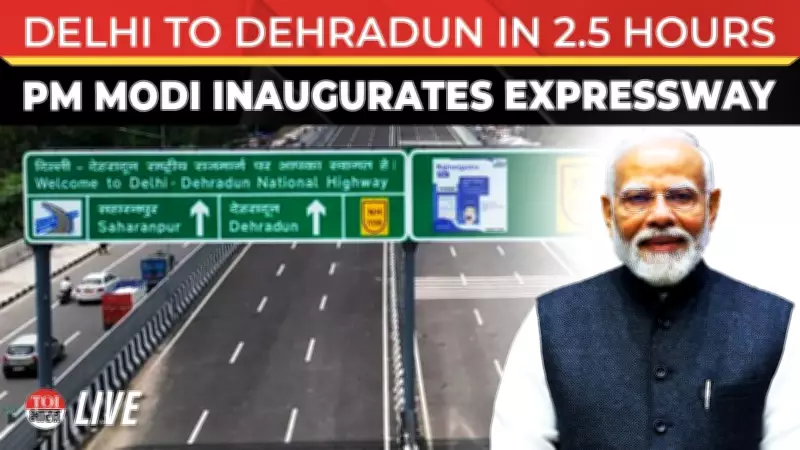
PM Modi Inaugurates Delhi-Dehradun Expressway, Revolutionizing North Indian Connectivity
Prime Minister Narendra Modi inaugurated the highly anticipated Delhi-Dehradun Economic Corridor today, a transformative infrastructure project set to dramatically reduce travel time between the two cities. The expressway, built under the National Highways Authority of India (NHAI), represents a significant leap in regional connectivity and sustainable development.
Key Features and Inauguration Details
Before the formal inauguration, PM Modi reviewed the expressway's innovative wildlife corridor along the elevated stretch. During his visit to Uttarakhand and Uttar Pradesh on April 14, the Prime Minister traveled to Saharanpur to inspect this ecological feature and later offered prayers at the Maa Daat Kali Temple near Dehradun.
Expressway Specifications and Travel Benefits
Length and Cost: Spanning 213 kilometers, this six-lane, access-controlled corridor was developed at a cost exceeding Rs 12,000 crore.

Travel Time Reduction: Passing through Delhi, Uttar Pradesh, and Uttarakhand, the expressway slashes the current travel time of over six hours to approximately two and a half hours. The total distance between Delhi and Dehradun decreases from 235 km to 212 km, with the major benefit being the substantial reduction in travel duration.
Innovative Wildlife Conservation Measures
The most technically demanding portion of the expressway is located near Dehradun, where the route traverses the ecologically sensitive Rajaji National Park in the Shiwalik Hills. To facilitate safe animal movement, a 12-kilometer elevated wildlife corridor has been constructed between Ganeshpur and Asharodi.
This structure features:
- Widely spaced pillars providing ample space for animal herds
- Six-meter vertical clearance to accommodate large elephants
- Specially constructed underpasses to prevent animal-vehicle collisions
- Sound barriers to mitigate traffic noise
- Controlled lighting to minimize disturbance to nocturnal species
Additionally, a 340-meter tunnel has been constructed near the Daat Kali temple by cutting through the hillside, reducing environmental impact. This elevated section, recognized as the longest of its kind in Asia, has undergone testing to confirm wildlife utilization.
Route and Infrastructure Details
The Delhi-Dehradun Expressway originates from the Akshardham Temple in Delhi and runs through districts including Baghpat, Muzaffarnagar, Shamli, and Saharanpur before entering Uttarakhand. The corridor features:
- 113 vehicular underpasses for local connectivity
- 62 bus shelters
- Nearly 76 km of service roads
- Multiple entry and exit points
- Rainwater harvesting systems and groundwater recharge points
Toll Structure and Construction Model
The access-controlled highway includes four toll plazas. While one-way trip costs will be higher, FASTag annual pass users will pay slightly over Rs 60 for a one-way journey through all four plazas.
The project follows a hybrid construction model combining greenfield and brownfield development, structured in four distinct phases:
- Phase 1: 31.6 km from Akshardham to Khekra (brownfield development)
- Phase 2: 120 km from Baghpat to Saharanpur bypass (greenfield project)
- Phase 3: 42 km between Saharanpur bypass and Ganeshpur
- Phase 4: 20 km from Ganeshpur to Dehradun (combined approach)
Traffic Management and Tourism Impact
The expressway incorporates ten interchanges, three railway overbridges, four significant bridges, twelve wayside facilities, and an Advanced Traffic Management System for enhanced safety and efficiency.
Tourism benefits include quicker journeys to Haridwar, the Char Dham route, Dehradun, and Mussoorie. The proximity to Delhi has already increased Dehradun's appeal for second homes and relocation, while service lanes and underpasses ensure towns along the alignment remain well-connected.

Economic and Regional Benefits
The Delhi-Dehradun Expressway is expected to boost regional economic activity by improving connectivity between tourism hubs and commercial centers, creating fresh opportunities for trade and development across northern India.