CSK HP Krishi University Prioritizes Farmer Income Enhancement Through Diversification
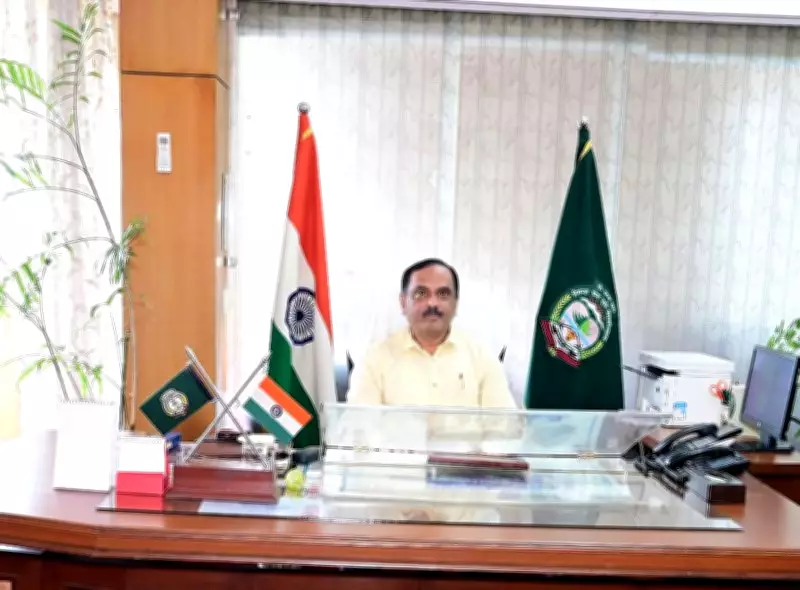
In a comprehensive interview, Ashok Kumar Panda, Vice-Chancellor of Chaudhary Sarwan Kumar (CSK) Himachal Pradesh Krishi Vishvavidyalaya in Palampur, detailed the university's ambitious vision to transform into a premier centre of excellence for sustainable and climate-resilient agriculture in the Himalayan region. The university is reinforcing its foundational pillars of education, research, and extension to address the evolving challenges faced by farmers in hill states, with a strong emphasis on boosting income through sectors like horticulture and fisheries.
Vision for Sustainable Hill Agriculture
Panda stated that the overall vision is to integrate education, research, and extension to directly benefit farmers while tackling the unique agricultural challenges of the Himalayas. This involves promoting organic and natural farming through scientifically validated, location-specific models. Large-scale training programs, demonstrations, and awareness campaigns are being conducted to ensure wider adoption of sustainable practices that improve soil health and reduce dependency on external inputs.
Climate-Smart Farming Initiatives
Addressing climate change concerns, the university plans to strengthen climate-smart agriculture by advocating for protected cultivation, hydroponics, precision farming technologies, and integrated farming system approaches. These methods aim to optimize resource use, minimize risks, and enhance productivity under changing climatic conditions, crucial for the fragile ecosystems of hilly areas.

Income Enhancement Through Diversification
Enhancing farmers' income is a top priority, with a focus on diversification into high-value sectors such as horticulture, livestock, fisheries, and farm entrepreneurship. By encouraging value addition and market-oriented production, the university aims to create sustainable livelihood opportunities. This strategy includes establishing strong market linkages, connecting farmers with institutional buyers like Army cantonments, and supporting branding and marketing of farm produce.
Capacity Building and Research Focus
The university is placing special emphasis on capacity building for youth, women, retired defence personnel, and farmers from Scheduled Castes and Scheduled Tribes communities. Through targeted training, skill development programs, and entrepreneurship support, it aims to foster self-employment in agriculture and allied sectors. Research will concentrate on developing stress-tolerant and high-yielding crop varieties suitable for hill and mountain ecosystems, improving crop resilience, productivity, and quality.
Technology Integration and Extension Services
Digital technologies, artificial intelligence, agri-drone technology, and remote sensing are being actively promoted to aid precision farming, real-time advisory services, and better decision-making for farmers. Strengthening extension services is crucial, with plans to expand farmer outreach through field demonstrations, training programs, mobile phone-based advisories, and digital platforms to ensure timely dissemination of scientific knowledge.
Livestock Health and Institutional Collaborations
In livestock and animal health, the university aims to promote indigenous breeds suited to local conditions while advocating for rational antibiotic use and exploring plant-based Himalayan alternatives. Collaboration with organizations like the Indian Council of Agricultural Research, NABARD, and industry partners will be strengthened to enhance innovation, attract funding, and improve market access.
Alignment with National Education Policy-2020
Two of the university's four colleges have already adopted the National Education Policy-2020. In alignment, it will introduce multidisciplinary education, skill-based learning, experiential training, and digital academic systems to make education more relevant and accessible. Curricula will be modernized to emphasize entrepreneurship, innovation, and start-up culture, encouraging students to become job creators.

Environmental Sustainability Commitment
Environmental sustainability remains at the core of all initiatives, with a focus on soil health management, conservation of natural resources, and safe food production systems to ensure long-term ecological balance. This holistic approach underscores the university's dedication to fostering resilient agricultural practices in Himachal Pradesh and beyond.