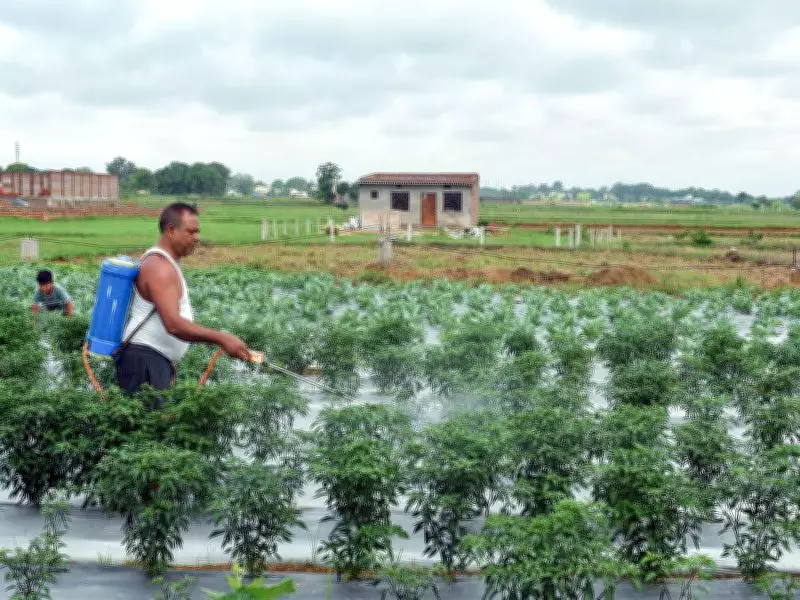
Government Confirms Robust Fertilizer Availability for Kharif Farming Season
The Centre has announced that India possesses adequate fertilizer stocks to meet the demands of the upcoming kharif season, alleviating concerns among farmers and agricultural stakeholders. This assurance comes amid global market fluctuations and supply chain challenges.
Global Partners Commit to Uninterrupted Supplies
In a significant development, the Ministry of External Affairs has revealed that India's international partners have provided assurances of uninterrupted fertilizer supplies. This collaborative effort is expected to bolster domestic availability and prevent any potential shortages during the critical planting period.
Randhir Jaiswal, spokesperson for the Ministry of External Affairs, stated, "Our current urea stocks are more substantial compared to the same period last year." This declaration underscores the government's proactive measures to secure essential agricultural inputs.

Comparative Stock Levels Show Improvement
The latest data indicates a positive trend in fertilizer inventories, with urea reserves showing a notable increase year-over-year. This enhancement is attributed to strategic procurement and diplomatic engagements with key supplier nations.
- Urea stocks are higher than the previous year's levels.
- Global partners have pledged consistent supply chains.
- The government is monitoring distribution to ensure equitable access.
The kharif season, which typically begins with the monsoon, is crucial for crops like rice, maize, and cotton, making fertilizer availability a top priority for agricultural productivity.
Implications for Farmers and the Agricultural Sector
This announcement is expected to instill confidence among farmers, enabling them to plan their kharif sowing activities without apprehension over input shortages. Adequate fertilizer supply is vital for optimizing crop yields and supporting India's food security objectives.
The Centre's emphasis on maintaining robust stockpiles reflects a broader commitment to sustaining agricultural growth and rural livelihoods. Continuous monitoring and coordination with international allies will be key to navigating any unforeseen disruptions.