Assam Sets Bold Solar Energy Target for 2030
Assam Chief Minister Himanta Biswa Sarma made a significant announcement on Thursday. He declared the state's ambitious goal to generate 3,500 megawatts of solar power by the year 2030. This move represents a strong commitment to clean energy and self-sufficiency for the region.
New Solar Plant Inaugurated in Dhubri District
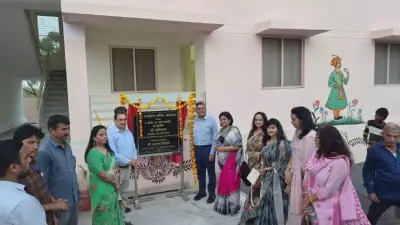
Sarma inaugurated a 70 MW solar power plant at Khudigaon in the Bilasipara area of Dhubri district. During the event, he emphasized the government's strategy to use cleared government land for development projects. This approach aims to create employment opportunities and boost the local economy.
The chief minister shared updates on social media platform X. He stated that Assam's current solar capacity has reached 680 MW. By April, this figure is expected to rise to 750 MW. Sarma expressed confidence in the state's steady progress toward a sustainable and clean energy future.

Details of the Khudigaon Solar Project
The new solar power plant at Khudigaon is a collaborative effort. SJVN Green Energy Limited, a wholly owned subsidiary of Navratna CPSE SJVN Ltd, partnered with the Assam Power Development Corporation Ltd to develop this facility.
Construction of the plant required an investment of over Rs 350 crore. Once fully operational, it will generate approximately 141 million units of electricity each year. Additionally, the project is projected to reduce carbon emissions by nearly 1.15 lakh tonnes annually.
Rapid Growth in Solar Power Generation
Speaking to reporters, Sarma highlighted Assam's remarkable journey in solar energy. He recalled a time when the state had no solar power projects at all. Today, the situation has changed dramatically with 680 MW of solar power already being generated.
The chief minister provided further details about upcoming projects. Another 50 MW solar project is currently under implementation by SJVN at Borsolla in Sonitpur district. This project is scheduled for completion by April, which will bring the total solar capacity to 730 MW.
Linking Eviction Drives with Development
Sarma also explained the government's policy regarding land use. He stressed that eviction drives are directly linked to development initiatives. The government plans to clear encroachments from government land and then implement projects on those cleared areas.
This strategy serves multiple purposes:
- It generates employment for local communities
- It uplifts the local economy through development activities
- It prevents re-encroachment by putting land to productive use
The chief minister elaborated on this approach. He noted that leaving evicted land vacant increases the risk of renewed encroachment. Therefore, the government will clear government land specifically when projects are ready for implementation. This ensures that cleared spaces are immediately utilized for constructive purposes.
Assam's solar energy push reflects a broader commitment to sustainable development. The state is positioning itself as a leader in renewable energy within the region. With clear targets and strategic implementation, Assam aims to transform its energy landscape over the coming decade.