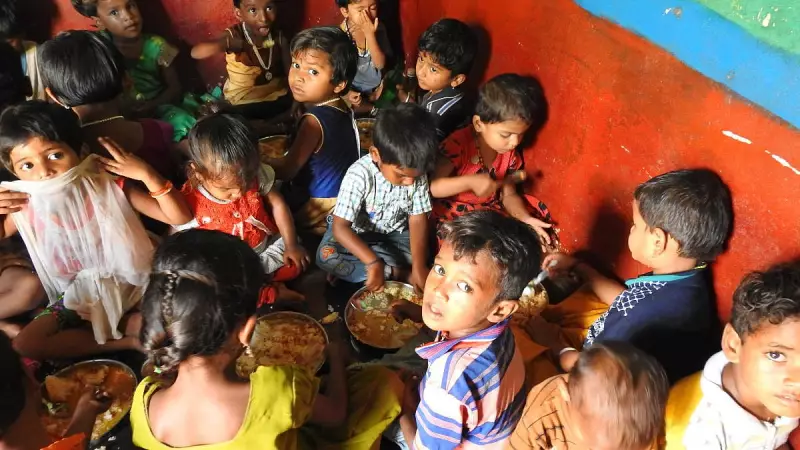
In a significant leap for digital governance, a facial recognition system has successfully facilitated the delivery of benefits to nearly 2.79 crore children enrolled under the government's flagship Take-Home Ration (THR) scheme. This technological intervention, implemented across Anganwadi centres nationwide, aims to ensure transparency and efficiency in the distribution of nutritional support.
Massive Enrollment and Verification Drive
According to latest figures from the Ministry of Women and Child Development, a total of 4.73 crore children are registered as beneficiaries under the scheme. Out of this vast number, an impressive 4.51 crore beneficiaries, or 91.38%, have successfully completed their mandatory paperwork. The integration of facial recognition technology has been pivotal in verifying identities and preventing duplication, ensuring that aid reaches the intended recipients.
Benefits Disbursement Reaches Critical Mass
The data reveals that while paperwork completion is high, the actual receipt of benefits is progressing steadily. Ministry sources confirmed that a little over half of the total child beneficiaries have now received their entitled Take-Home Ration. This marks a crucial phase in the scheme's rollout, translating official records into tangible nutritional support for millions of young children from vulnerable families.

Streamlining Welfare with Technology
The use of a facial recognition system represents a major shift in how social welfare schemes are administered in India. By linking a child's unique biometric identity to their Anganwadi registration, the system minimizes leaks and delays. The initiative, reported by Amrita Madhukalya and last updated on 08 January 2026, underscores the government's push to leverage technology for last-mile delivery in public welfare programs. The focus now is on bridging the gap between verification and distribution to ensure all 4.73 crore children receive their vital nutritional supplements without further delay.