Trichy Bus Shelters: A Clash Between Commercial Ads and Passenger Needs
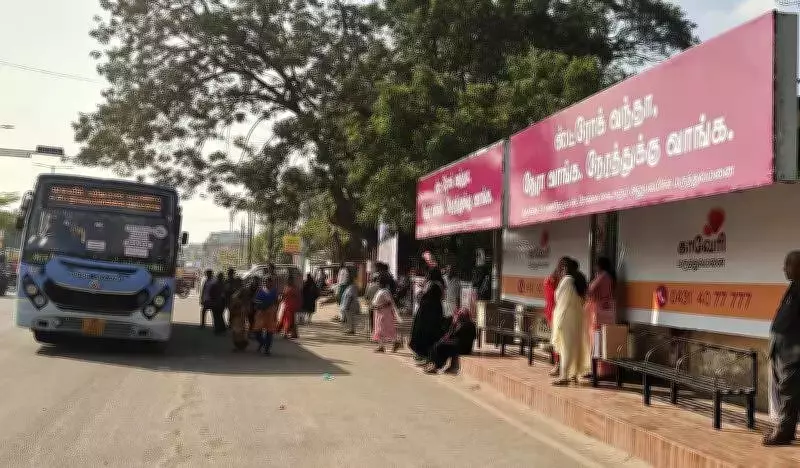
In Trichy city, bus shelters have transformed from essential public amenities into commercial advertising zones, leaving passengers frustrated and uninformed. Instead of clearly displaying bus routes and destinations, these structures are overwhelmingly dominated by advertisements for private hospitals and educational institutions.
Outsourcing Model Fails Passengers
The Trichy Corporation has outsourced maintenance and operations for more than 90% of its 210 bus shelters located on prominent roads to private companies. These companies pay for advertising rights and, in return, are supposed to maintain the shelters. However, passengers report that maintenance focuses primarily on keeping advertisements visible rather than improving passenger amenities.
"Bus shelters are constructed either with the corporation's general funds or through MP/MLA constituency development funds. But there is no mention of the name or logo of Trichy corporation. Not even the name of the bus shelter is mentioned; passengers are struggling a lot," said Shivasankar Sekaran, president of the Tamil Nadu Consumer Federation.

Regulations Ignored in Favor of Advertising
According to the municipal administration and water supply department's gazette, at least 20% of each shelter's area must be reserved for displaying bus route numbers, government schemes, and awareness slogans, particularly on the backside and top of shelters. In practice, this regulation is largely ignored, with dazzling advertisements covering most available space.
This creates particular difficulties in Trichy, where the bus transport system is described as disorganized, often requiring passengers to take two buses to reach destinations within the city. Clear route information at shelters is therefore essential but largely absent.
Financial Implications and Missed Opportunities
The financial aspect of this arrangement reveals further issues. Despite constructing shelters that cost a minimum of ₹3 lakh each (ranging from 100 to 150 square feet), the revenue generated through advertisement fees has remained stagnant at around ₹2 crore annually for the past four years. This is significantly lower than the ₹3 crore generated each from parking fees and pay-and-use toilets.
Sources indicate that original outsourcing agreements included provisions for broadcasting FM radio and providing charging points at shelters. However, these amenities have been overshadowed by the proliferation of private advertisements on structures built with public funds.
Technological Solutions Fall Short
In 2022, LED display boards were installed in approximately 15 bus shelters, including in Thillai Nagar. However, these technological upgrades have provided limited support to passengers. Many boards do not display bus routes and destinations, and some are not functioning at all, representing another missed opportunity to improve passenger information.
A senior official acknowledged the problem, stating, "Advertisers will be told to include names of bus stops, city bus route charts, and destinations covered. These are part of the conditions applied." This statement suggests awareness of the issue but raises questions about enforcement of existing regulations.
The Human Impact of Commercial Priorities
The situation leaves newcomers to the city particularly disadvantaged, as they have no way to navigate the bus system from shelter information. Brand names and logos of private institutions decorate the shelters while essential public information remains conspicuously absent.
This case highlights the tension between municipal revenue generation and public service delivery, with commercial interests currently overshadowing passenger needs in Trichy's urban transportation infrastructure.