

Chennai: Tasmac, the state-owned liquor retail corporation in Tamil Nadu, faces a persistent challenge: the government that owns it struggles to control its operations. Chief Minister C Joseph Vijay's initial announcement to shut 717 liquor shops located within 500 meters of temples and schools within two weeks encountered significant resistance. After 462 closures, bar owners protested that their livelihoods were at risk, leading to a halt in the drive that has yet to resume.
Revised Plan for Shop Closures
According to Tasmac sources, a revised plan involves a quieter retreat. For the first phase, district managers have been asked to compile a fresh list targeting low-volume shops and standalone outlets without attached bars. Shops identified in prohibited zones will not be shut but relocated to what Tasmac internally calls a 'grey area,' just outside the 500-meter boundary, under new shop numbers. 'It will not be a closure, but a relocation,' a source said.
Recurring Pattern of Stalled Reforms
The closure drive is not an isolated incident. Every initiative to streamline Tasmac meets with internal resistance, resulting in stalemate and a return to the status quo. Reforms proposed under the previous government, including a push for digital transactions such as UPI or card payments at outlets, have collapsed. This marks a sharp reversal from when e-transactions accounted for nearly 50% of all sales in Chennai and surrounding districts. Changes aimed at improving transparency at retail counters have also hit a wall.

Overcharging and Operational Issues
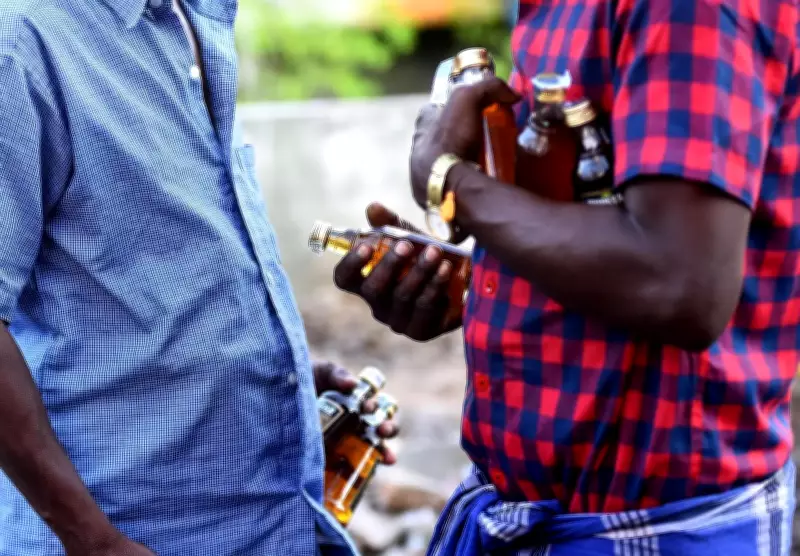
Overcharging at counters is a routine phenomenon. Satish Galley, a Semmancheri resident, says each outlet functions at the supervisor's whims and fancies. He pays Rs 20 above the maximum retail price (MRP) for every can of beer at his neighborhood shop. Another customer, Sudershan from Maduravoyal, said outlets continue operating beyond official hours.
When the government moved to crack down on MRP violations, workers did not comply. Instead, they lobbied back. Shop employees submitted a formal representation to Prohibition and Excise Minister K Vignesh, explaining why the extra Rs 10 was essential to cover what they called 'miscellaneous expenses.' AITUC-affiliated Tasmac workers union general secretary D Dhanasekaran said the government announced a scrapping of MRP violations without understanding on-ground problems. He explained: 'The money shopkeepers collect from liquor buyers pays for everything — from electricity bills, rent, and outsourced labour costs, and Tasmac has not addressed these problems for years.'
After that meeting, the tone and tenor of Minister K Vignesh changed. He stated that MRP violations could not be eradicated overnight.
Breakdown in Bottle Collection Process
There is also a breakdown in the process of collecting empty liquor bottles. Unions demand that a third party be engaged to handle collection, citing the burden on shop staff. When management did not act, workers in Erode and Salem districts simply shut their outlets for roughly four days — the first such closures in Tasmac's 23-year history. The strike led to a loss of revenue, yet no memo was issued and no disciplinary action followed.
In Chennai, workers went one step further, deferring implementation of the collection scheme ahead of elections, and it is yet to be revived. Tasmac sources said talks on the matter are ongoing, with a plan for the collection agent to deploy his own staff, but nothing has been finalized. Tasmac MD K Nanthakumar was unavailable for comment, and Minister Vignesh did not respond to calls.






