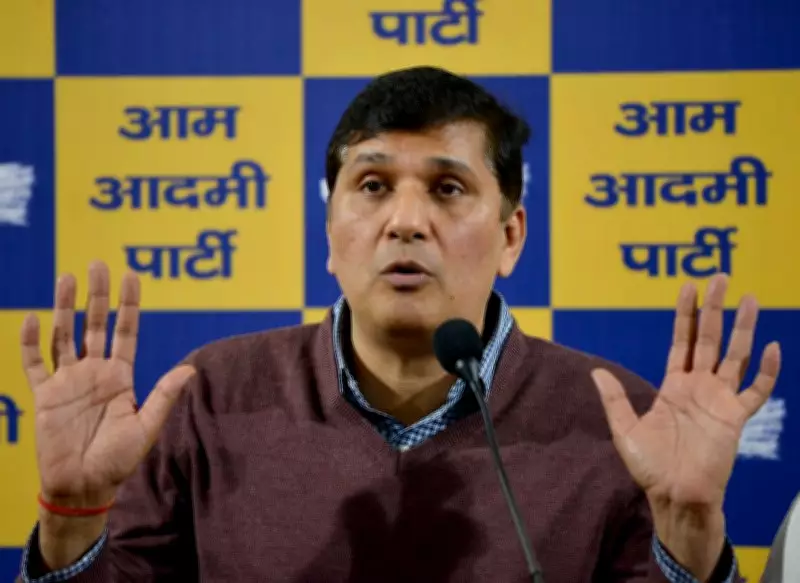
Mandatory Pink Card in DTC Could Disadvantage Purvanchali Women, Warns Bharadwaj
The Delhi Transport Corporation's (DTC) mandatory Pink Card scheme, designed to provide free bus travel for women, is facing criticism for potentially disadvantaging Purvanchali women, according to a warning issued by a concerned official. This initiative, aimed at enhancing mobility and safety for female commuters, may inadvertently create barriers for women from Purvanchal due to documentation and procedural challenges.
Documentation Hurdles Pose Significant Obstacles
Purvanchali women, many of whom migrate to Delhi for work or family reasons, often lack the necessary identification documents required to obtain the Pink Card. This includes proof of residence, which can be difficult to secure for those living in informal settlements or with temporary accommodations. The mandatory nature of the card means that without it, these women could lose access to free bus travel, impacting their daily commutes and economic opportunities.
The scheme's implementation has raised equity concerns, as it may exclude vulnerable groups who are already marginalized. Critics argue that while the Pink Card aims to empower women, its strict documentation requirements could reinforce existing inequalities, particularly for migrant communities like the Purvanchalis.

Bharadwaj Highlights Broader Social Implications
In his statement, Bharadwaj emphasized that the policy needs to be more inclusive to avoid harming Purvanchali women. He pointed out that many of these women work in low-income jobs and rely on public transport for their livelihoods. Denying them free travel could exacerbate financial strain and limit their ability to access essential services, such as healthcare and education.
This issue underscores the importance of considering socio-economic factors in policy design, ensuring that well-intentioned initiatives do not inadvertently penalize those they are meant to help. The call is for the DTC to review the Pink Card requirements and introduce flexible measures, such as alternative verification methods or grace periods, to accommodate women from diverse backgrounds.
Potential Solutions and Policy Adjustments
To address these concerns, several recommendations have been proposed:
- Simplify the documentation process by accepting a wider range of identity proofs.
- Implement outreach programs to assist Purvanchali women in applying for the Pink Card.
- Conduct regular reviews of the scheme's impact on different demographic groups.
By taking these steps, the DTC could ensure that the Pink Card scheme fulfills its goal of promoting gender equality and accessibility without leaving behind vulnerable populations. The ongoing debate highlights the need for policies that are both effective and equitable in urban transport systems.