

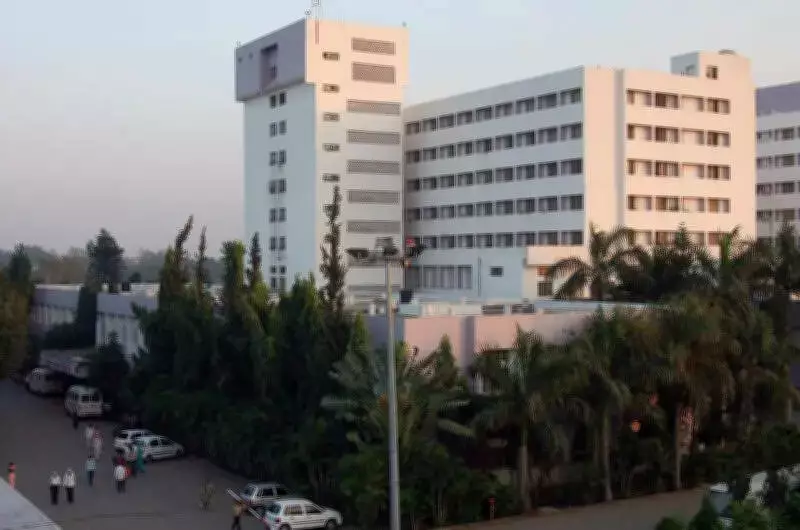
PCMC Hospitals Grapple with Financial Fraud Amid Slow Digitization
The Pimpri Chinchwad Municipal Corporation (PCMC) continues to face significant financial irregularities at its civic hospitals, primarily due to reliance on contractual staff and outdated offline billing systems. Over the past three years, at least four major incidents of fraud have been recorded, highlighting systemic vulnerabilities that persist despite repeated promises to digitize operations.
Recent Incidents and Audit Findings
In a recent case reported last month, four staff members at Prabhakar Malharrao Kute Hospital in Akurdi, including three contractual employees and one permanent billing clerk, allegedly siphoned off Rs9.25 lakh by tampering with patient bills. This discovery prompted a comprehensive audit across all nine civic hospitals, revealing a similar pattern at New Bhosari Hospital, where two employees are suspected of misappropriating nearly Rs10 lakh.
Investigations uncovered that the accused manipulated records by charging patients the full amount but underreporting collections in official submissions. For instance, while a patient would receive an original bill for Rs100, staff would alter carbon copies submitted to the civic body to show only Rs25, pocketing the Rs75 difference. Dr Laxman Gophane, chief medical health officer of PCMC, confirmed that action is underway, stating, "We have written to the police seeking an FIR against four individuals in one case. A second FIR against two more individuals in a separate incident will be proposed soon." He added that senior officials' roles are under scrutiny to fix accountability, though police have yet to officially register FIRs in these matters.

Historical Context and Systemic Issues
This is not an isolated trend. In December 2023, an FIR was registered against a contractual clerk at Yashwantrao Chavan Memorial (YCM) Hospital for siphoning off Rs68,260 using similar tactics. Earlier in 2024, a permanent PCMC employee at Jijamata Hospital in Pimpri was found to have misappropriated nearly Rs10 lakh by depositing only a fraction of collected cash into the municipal account.
A senior official from the health department attributed the reliance on third-party agencies to a shortage of permanent manpower, explaining, "Clerical work requires a large volume of staff to work round-the-clock, and PCMC currently lacks that internal strength." This dependency on contractual staff, combined with offline systems, has created gaps that are exploited for financial fraud.
Push for Digitization and Accountability
Officials maintain that a fully online billing system with real-time tracking is the only long-term solution. Currently, most of PCMC's nine hospitals operate offline, though YCM Hospital, the city's largest facility, has moved almost all its billing counters online over the last three months. Dr Gophane emphasized, "We are in the process of making online billing mandatory across all hospitals within the next 45 days."
Sayali Kiran Nadhe, president of the Congress city unit's women's wing, who previously exposed irregularities at Jijamata Hospital, argued that handwritten bills remain the root cause of fraud. "Shifting to a fully online system would significantly reduce the scope for manipulation," she said. Nadhe further demanded that cases be handled by police rather than internal civic probes to ensure impartiality, adding, "In previous instances, the civic body allowed those involved to continue working after they returned the misappropriated amount. This cycle must stop. Those involved must be suspended and face strict legal action to deter others."
The slow progress in digitization efforts continues to leave PCMC hospitals vulnerable, with financial irregularities posing a threat to public funds and trust in municipal healthcare services.






