Odisha's Ama Bus Service: From Transport Revolution to Safety Crisis
Once celebrated as a transformative force in Odisha's public transportation landscape, the Ama Bus service now finds itself at a critical crossroads. The initiative, which began with ambitious goals of providing affordable, reliable, and environmentally friendly transit options, is currently grappling with a complex dilemma. On one hand, it enjoys widespread public appreciation for significantly improving urban and intercity connectivity across the state. On the other, it faces growing anxiety and criticism over repeated safety lapses that have resulted in tragic accidents.
Rapid Expansion and Rising Accidents
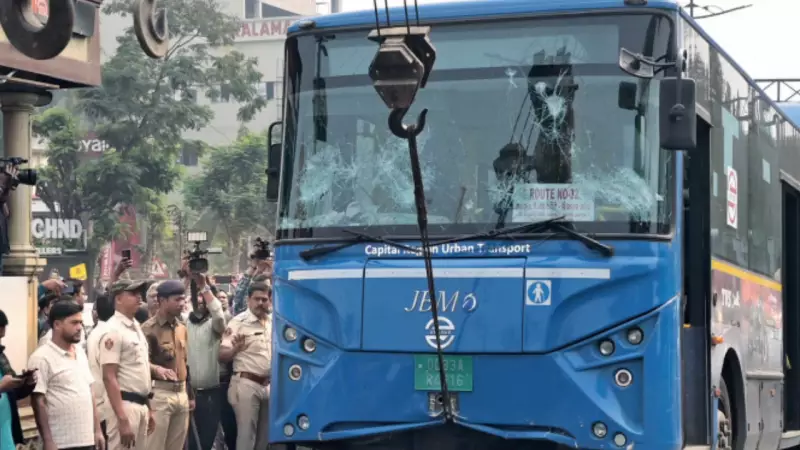
The Ama Bus fleet has experienced remarkable growth in recent years, with nearly 600 buses now operating across various cities in Odisha. This rapid expansion was initially seen as a major achievement in enhancing public mobility and reducing transportation costs for citizens. However, this growth has been accompanied by an alarming increase in road accidents involving these buses. What started as a promising public welfare project has now evolved into a statewide debate about transportation safety, prompting interventions from the highest judicial authorities and urgent calls for systemic reforms.
Judicial Intervention and Government Response
The safety concerns reached a critical point last July when a Times of India report highlighted the escalating number of accidents involving Ama Buses. This report prompted the Orissa High Court to take suo motu cognisance of the matter. Expressing serious concern about the situation, the court summoned authorities from the Capital Region Urban Transport (CRUT) and directed immediate corrective measures. These included mandatory installation of CCTV cameras inside all buses, regular breath analyser tests for drivers, and development of advanced sensors capable of detecting intoxicated drivers before they operate vehicles.

Despite these judicial directives, accidents continued to occur. A particularly tragic incident on January 3rd, when an Ama Bus collided with an auto-rickshaw at Rupali Square, resulting in the immediate death of the auto driver, sparked public outrage and intensified demands for accountability. This incident prompted a swift response from Chief Minister Mohan Charan Majhi, who directed strict enforcement of safety norms, mandatory alcohol testing for all drivers, and enhanced training modules for transportation staff.
Comprehensive Safety Overhaul
Following the Chief Minister's directives, the commerce and transport department launched extensive inspections of Ama Bus drivers across Bhubaneswar and Cuttack. Transport Secretary Usha Padhee convened a crucial meeting that led to the formation of a dedicated steering committee. This committee now oversees all aspects of bus operations, from accident response protocols to daily route management, representing a significant shift from reactive measures to proactive systemic reform.
The comprehensive safety measures being implemented include:
- Induction of additional mini-buses to enhance last-mile connectivity and improve overall operational efficiency
- Stricter driver recruitment processes followed by intensive five-day evaluation programs
- Comprehensive testing of driver skills in multiple areas including road safety protocols, lane discipline, behavioral conduct, and situational awareness
- Daily practical training sessions for e-bus operators and other staff members
- Enhanced monitoring systems and regular safety audits of the entire fleet
Path Forward and Official Assurance
Transport Secretary Usha Padhee expressed confidence in the new measures, stating, "We are confident that with these comprehensive steps, the situation will come under control. Our focus is on creating a sustainable and safe public transportation system that serves the people of Odisha effectively while prioritizing their safety above all else."

The ongoing transformation of the Ama Bus service represents a crucial test for Odisha's public transportation infrastructure. As authorities work to balance operational efficiency with passenger safety, the success of these reforms will determine whether this once-celebrated initiative can regain public trust and fulfill its original promise of revolutionizing state transport.