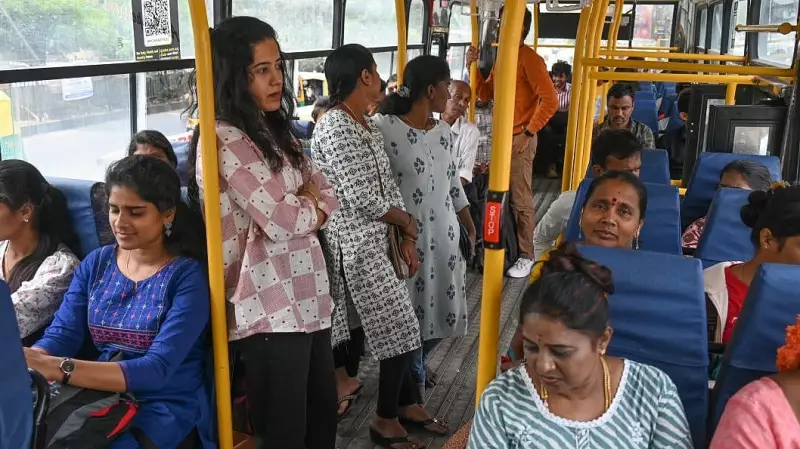
In a significant move to improve last-mile connectivity and decongest key corridors, the Bengaluru Metropolitan Transport Corporation (BMTC) has rolled out a new metro feeder bus service linking Bommasandra with Anekal. The service, operational from January 5, 2026, is designed to offer a seamless and efficient travel alternative for commuters in the city's southern periphery.
New Route to Tackle Peak-Hour Gridlock
The newly introduced bus route, identified as MF-22D, will ply between the Bommasandra metro station and the Anekal bus station. This strategic initiative primarily targets the reduction of severe traffic congestion, especially during morning and evening rush hours, on this busy stretch. By providing a direct and reliable link to the metro network, BMTC aims to encourage a shift from private vehicles to public transport.
Route Details and Key Stops
The feeder buses will navigate via important intermediate points to serve a larger population. The designated route includes stops at Chikka Hegde Cross, Iggaluru, and Chandapura. This path has been carefully planned to integrate residential and commercial areas along the way, ensuring maximum utility for daily passengers. The service promises to bridge the critical gap between the Namma Metro's reach at Bommasandra and the bustling town of Anekal.

Impact on Commuters and City Traffic
The launch of the MF-22D service is expected to have a multi-fold positive impact. For commuters, it translates to reduced travel time, lower transportation costs, and a less stressful journey. For the city of Bengaluru, it represents a step forward in creating an integrated multi-modal transit system. By siphoning off a portion of the vehicular traffic, the service should contribute to easing the overall traffic burden on the roads connecting these two hubs.
This development is part of BMTC's ongoing efforts to augment its feeder network, making the metro system more accessible to those living beyond the immediate vicinity of the stations. The success of such routes is crucial for the long-term viability and popularity of Bengaluru's mass rapid transit system.