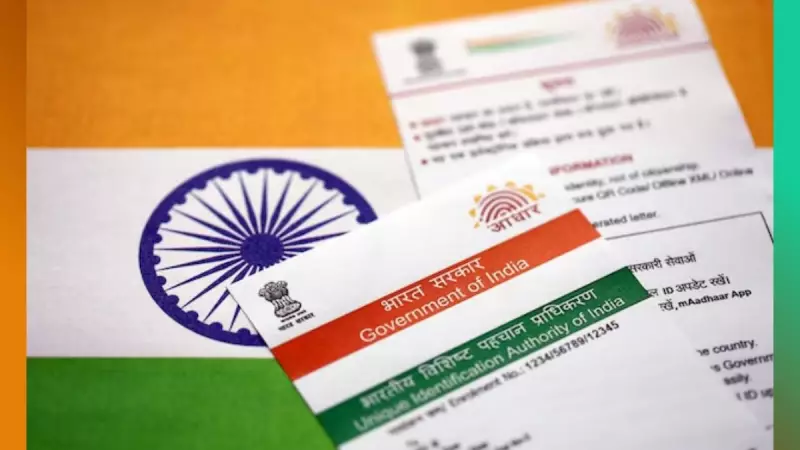
The Unique Identification Authority of India (UIDAI) has introduced a significant upgrade to its Aadhaar services with a new mobile application that emphasizes both security and user convenience. This development represents a major step forward in India's digital identity ecosystem, addressing longstanding concerns about data protection while making verification processes more accessible.
Enhanced Security Through Offline Verification
The cornerstone of the new Aadhaar application is its offline verification feature, which fundamentally changes how personal data is shared and authenticated. Unlike traditional methods that require online connectivity and potential exposure of sensitive information, the offline system allows users to generate a secure, time-limited QR code that contains only essential verification details.
This approach significantly reduces the risk of data breaches and unauthorized access to the central Aadhaar database. When users need to verify their identity for services such as banking, telecommunications, or government schemes, they can simply present the digitally signed QR code instead of sharing their actual Aadhaar number. The verifying entity scans this code using their own device without needing constant internet connectivity to UIDAI servers.
How the New Aadhaar App Works
The updated application provides multiple layers of security while maintaining user-friendly functionality. Users can download the official UIDAI application from authorized app stores and complete a straightforward registration process using their registered mobile number. Once registered, the app offers several key features beyond basic offline verification.
Users can generate and share digitally signed documents such as Aadhaar details, including masked Aadhaar where only the last four digits are visible. The application also includes a lock/unlock biometric feature that gives users complete control over when their biometric data can be used for authentication purposes. This prevents unauthorized biometric verification attempts when the feature is locked.
The system incorporates time-based restrictions and usage limits on shared documents, ensuring that verification documents cannot be reused indefinitely. Each digitally signed document includes expiration parameters, and users can track where and when their documents have been accessed, providing unprecedented transparency in identity verification processes.
Benefits for Citizens and Service Providers
This technological advancement brings substantial benefits to both Aadhaar holders and organizations that rely on identity verification. For citizens, the primary advantage is greater control over personal information and reduced risk of identity theft or misuse. The ability to verify identity without exposing the complete Aadhaar number represents a privacy milestone in India's digital landscape.
For service providers including banks, telecom companies, and government agencies, the offline verification system streamlines customer onboarding while maintaining regulatory compliance. The verification process becomes faster and more reliable, with reduced dependency on internet connectivity, particularly beneficial in rural areas where network coverage may be inconsistent.
The UIDAI has emphasized that this upgrade aligns with the Supreme Court's guidelines on privacy and data protection, ensuring that Aadhaar usage complies with the highest standards of digital security. The authority continues to work on additional features and improvements to further strengthen the Aadhaar ecosystem while maintaining user convenience as a core principle.
As digital transactions and online services continue to expand across India, this enhanced Aadhaar application provides a crucial foundation for secure and efficient identity verification. The offline capability specifically addresses challenges in remote areas while offering urban users advanced privacy protections, making it a versatile solution for India's diverse population.