A major infrastructure initiative in Ludhiana, designed to provide a sustainable canal-based water supply, is causing widespread public distress instead of relief. The project, intended to shift the city's dependency from tube wells to overhead tanks, has been marred by frequent pipeline failures and chaotic digging, turning key areas into hazardous zones.
Recurring Pipeline Bursts Disrupt Life and Safety
In a glaring example of the ongoing troubles, residents near Model Town's Krishna Mandir reported the fourth pipeline burst in just one week. This latest failure sent thousands of liters of treated water gushing onto Model Town Road, causing significant disruption. The project is currently active in several areas including Dugri, Haibowal, and Model Town.
Local business owner Arvind Sharma voiced the frustration of the community, stating that this was the fourth leak at the same spot. He recounted incidents where a car got stuck in a collapsed road section and a two-wheeler rider fell. "We understand the project's importance," Sharma said, "but there must be a method to execute it without repeatedly destroying existing infrastructure." This pattern has led to criticism of a "dig first, ask later" approach by the executing agencies.

Traffic Chaos and Mounting Public Safety Risks
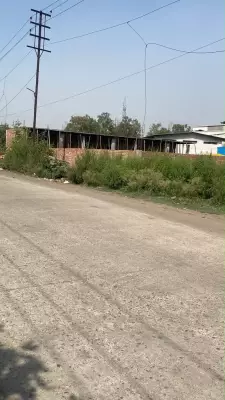
The problems extend beyond water wastage. The condition of roads after pipe-laying work has become a severe concern for daily commuters. On Jassian Road in Haibowal, trenches have been refilled but not properly leveled, leaving the surface uneven and dangerous.
Key safety issues now plaguing these neighborhoods include:
- Severely narrowed lanes causing traffic congestion.
- High risk of accidents due to uneven roads and muddy, water-logged patches.
- Inability for two large vehicles to pass each other on affected roads.
Each pipeline burst also represents a massive loss of treated water, directly undermining the project's core goal of efficient and sustainable water management for Ludhiana.
Official Stance and the Call for Accountability
When confronted, municipal officials defended the project's progress. They attributed the repeated pipeline failures to "technical reasons" and the challenge of navigating old, undocumented underground utility networks. A project official stated, "We have instructed our teams to be extremely careful, but the situation can turn difficult due to technical constraints. We will ask our team members to exercise even greater caution to minimize public inconvenience."
As the first phase of this crucial project continues, residents and shopkeepers are demanding better coordination and oversight. They urge a more synchronized effort between the engineering teams laying the pipes and the crews responsible for road restoration. The public appeal is clear: the "headache" of the transition must not outweigh the long-term benefits of a reliable, canal-based water supply for the city.