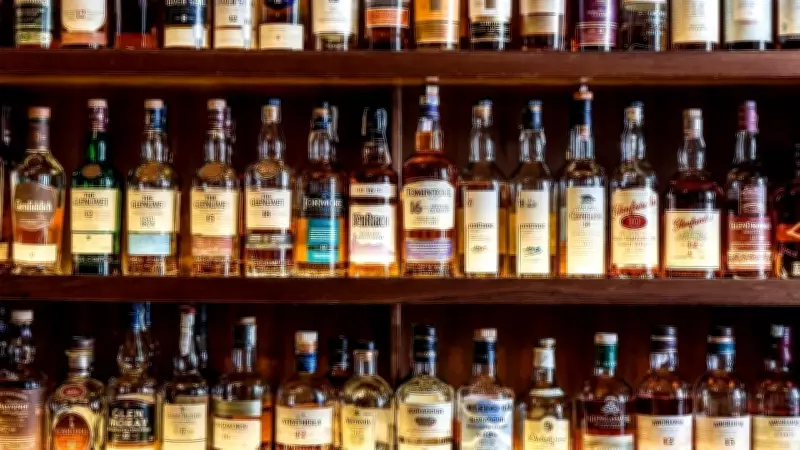
The Karnataka government has unveiled a draft excise policy that proposes linking liquor prices to the social costs incurred due to alcohol consumption. The draft policy highlights that while alcohol generates Rs 34,600 crore annually for the state exchequer, its social costs—including road accidents, domestic violence, liver disease, alcohol use disorders, and lost household income—are estimated at a staggering Rs 51,000 crore.
Key Highlights of the Draft Policy
The draft excise policy aims to address the growing concerns over the adverse effects of alcohol on society. By factoring in the social cost, the government seeks to rationalize liquor pricing and potentially reduce consumption. The policy document notes that the social cost exceeds the revenue generated, indicating a net negative impact on the state.
Social Costs Breakdown
According to the draft, the social costs include:

- Road accidents caused by drunk driving
- Domestic violence incidents linked to alcohol abuse
- Liver disease and other alcohol-related health issues
- Alcohol use disorders and their treatment
- Loss of household income due to addiction and related problems
The draft policy suggests that the current pricing mechanism does not account for these externalities, leading to underpricing of alcohol. The proposed changes aim to internalize these costs, making liquor more expensive to discourage excessive consumption.
Revenue vs. Social Cost
The state earns Rs 34,600 crore annually from alcohol sales through taxes and duties. However, the social cost of Rs 51,000 crore outweighs this revenue by a significant margin. The draft policy argues that this imbalance necessitates a revision of the excise structure to ensure that the price of alcohol reflects its true cost to society.
The government has invited public feedback on the draft policy before it is finalized. Stakeholders, including liquor manufacturers, retailers, and health experts, are expected to provide their inputs. The policy is part of a broader effort to promote responsible drinking and reduce the burden on public health and safety.
The draft excise policy is seen as a progressive step towards aligning economic interests with social welfare. If implemented, it could set a precedent for other states grappling with similar issues related to alcohol consumption.