Jaipur Launches Major Waste Management Modernization Project
In a significant move to bolster its solid waste management infrastructure, Jaipur Smart City Ltd has unveiled plans to modernize four key waste transfer stations across the city. The ambitious project, valued at nearly Rs 76 crore, represents a substantial investment in urban sanitation and environmental sustainability for the Pink City.
Project Timeline and Strategic Locations
Work on this critical initiative is scheduled to commence in March, with a targeted completion timeframe of six months. The four stations selected for modernization are strategically located at:
- Kalwar Road
- Sitapura
- Brahmpuri
- Mansarovar RIICO area
These locations have been carefully chosen to optimize waste collection and processing efficiency across different zones of Jaipur.

Enhanced Infrastructure and Operational Benefits
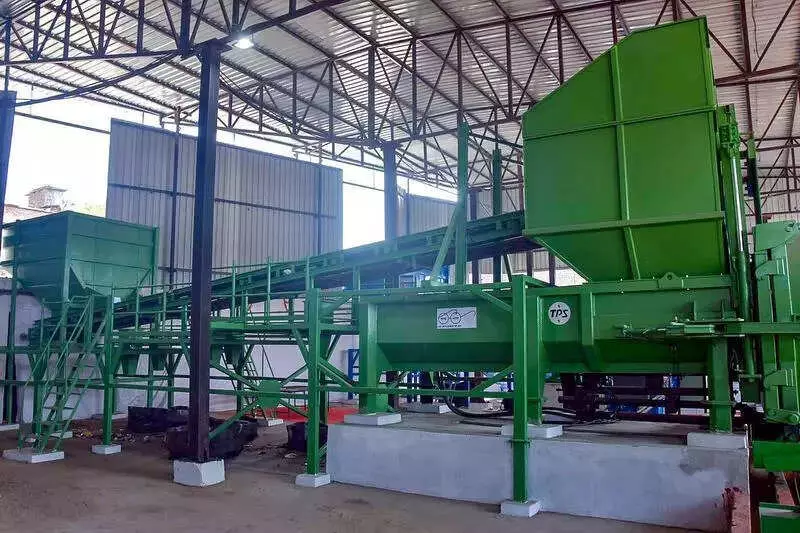
Once the modernization is complete, the upgraded transfer centers will feature advanced warehouse structures designed for temporary waste storage and preliminary processing. Municipal officials emphasize that this infrastructure enhancement will significantly reduce pressure on existing landfill sites, addressing one of the city's persistent waste management challenges.
Jaipur currently operates a single mechanized waste transfer station in Jhalana, which was constructed at a cost of Rs 4.2 crore and processes approximately 100 tonnes of waste daily. Additionally, a second station with 20-tonne capacity at Lal Dungri on Delhi Road is nearing operational status.
Modern Waste Processing Methodology
The new project introduces a systematic approach to waste management. Municipal waste collected from various city areas will first be transported to these modernized transfer stations. Here, mechanical segregation will separate waste into three distinct categories:
- Wet waste
- Dry waste
- Recyclable materials
Following segregation, the categorized waste will be transported to specialized processing plants for either scientific disposal or recycling, promoting a more sustainable waste management cycle.
Addressing Community Concerns
Despite the project's promising scope, many Jaipur residents maintain cautious optimism. Several city areas continue to experience shortages of garbage hoppers, leading to the unfortunate practice of open dumping near markets and residential colonies. Community members have raised questions about how the new transfer centers will effectively address these ground-level challenges.
Responding to these concerns, Jaipur Municipal Corporation superintending engineer (Garage) Atul Sharma provided clarification. "The shortage of garbage hoppers is not very severe at present, but tenders will be floated soon for areas where additional hoppers are required," Sharma stated.
He further explained the operational improvements expected from the new facilities: "When hoppers become full, waste is often dumped in the open nearby, creating hygiene issues. The new transfer stations will prevent foul odour, sludge accumulation, and open dumping practices. Waste will be transported out of the city within one hour of collection."
Comparative Advantages Over Existing Infrastructure
Sharma highlighted specific advantages of the new stations compared to the existing Jhalana facility: "Compared to the Jhalana transfer station, which faces space constraints and traffic movement issues, the new facilities will allow smoother machine-to-machine transfer operations."
This modernization initiative represents a comprehensive approach to urban waste management, combining infrastructure development with operational efficiency improvements. As Jaipur continues to grow as a major urban center, such investments in sanitation infrastructure become increasingly vital for maintaining public health, environmental quality, and overall urban livability.